
Who doesn’t like pomegranate?
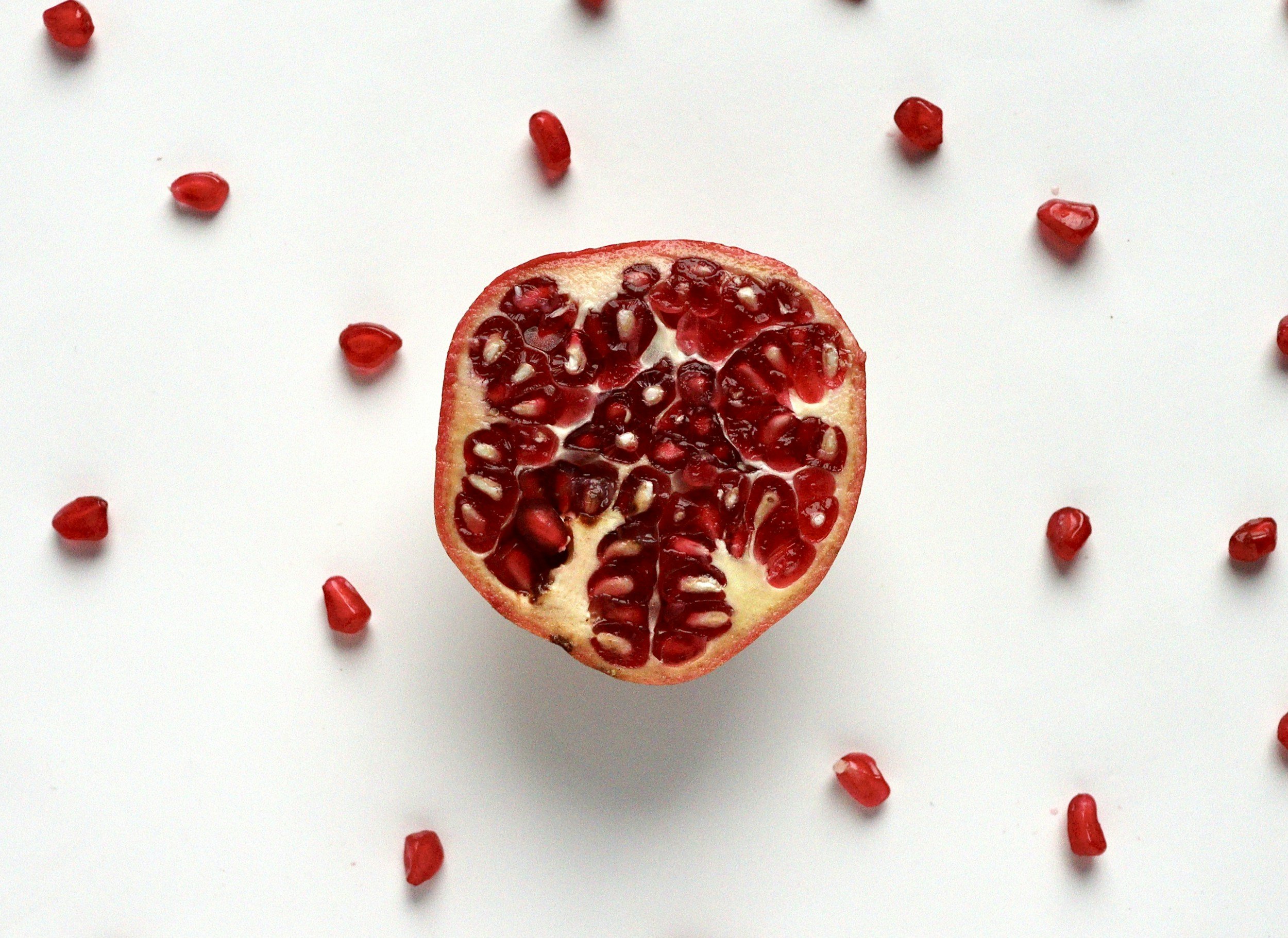
Scroll to the bottom for a ruby-bright, antioxidant-rich
pomegranate maple granola (gluten-free)
by Jill Aida Horn, MPH
Pomegranate is one of nature’s most therapeutic winter fruits. It’s vibrant, tart-sweet, and densely packed with polyphenols that nourish the body at a cellular level. Pomegranate’s jewel-like seeds contain some of the highest concentrations of punicalagins, ellagic acid, anthocyanins, and fiber found in any fruit. These compounds support cardiovascular strength, hormonal balance, gut-brain vitality, and metabolic resilience. Beneath its refreshing acidity lies a remarkable clinical depth: pomegranate is a whole-food polyphenol powerhouse shown to modulate inflammation, protect endothelial health, and support longevity pathways. It’s a fruit that reminds us how beautifully food can act as medicine.
1. A Polyphenol Powerhouse
Pomegranate is one of the richest dietary sources of punicalagins—potent polyphenols with exceptionally high antioxidant activity. These compounds have been shown to reduce oxidative stress, support mitochondrial function, and protect DNA from free-radical damage [1].
Studies in Nature and Molecular Nutrition & Food Research demonstrate that punicalagins significantly increase endogenous antioxidant capacity by activating Nrf2 pathways, enhancing cellular defenses against inflammation and metabolic stress [1,2].
Its anthocyanins and ellagic acid also demonstrate strong anti-inflammatory, anti-proliferative, and vasculoprotective effects, supporting immune resilience and long-term metabolic health [2].
This makes pomegranate a deeply restorative fruit for the winter season, when the body needs additional oxidative support.
2. Boosting Heart & Hormone Health
High-impact cardiovascular research highlights pomegranate as a functional food for vascular integrity and hormone balance. Punicalagins help improve endothelial function, reduce LDL oxidation, and support nitric oxide bioavailability, which enhances blood flow and reduces inflammation-driven vascular aging [3]. These mechanisms are strongly supported by studies in the Journal of the American College of Cardiology and Atherosclerosis.
Pomegranate’s polyphenols also influence aromatase activity and estrogen-modulatory pathways, offering gentle hormonal support during stress, menstrual shifts, and metabolic fluctuation [4]. Its fiber and slow-digesting natural sugars promote steady glycemic responses, improved insulin sensitivity, and appetite regulation, sustaining balanced energy throughout the day [5]. Think of pomegranate as both a cardiovascular ally and a hormone-friendly fruit that fuels stability from the inside out.
3. Gut–Brain Nourishment & Anti-Inflammatory Pathways
Pomegranate is uniquely rich in ellagitannins, which gut microbes convert into urolithins—bioactive metabolites shown in Nature Medicine to improve mitochondrial function, reduce neuroinflammation, and support healthy aging trajectories [6]. Urolithin A in particular enhances cellular energy production, improves gut barrier integrity, and has been linked to improved muscle function and cognitive health with age.
Ellagitannins also promote SCFA-producing bacteria, strengthening immune signaling, reducing systemic inflammatory load, and supporting mood-regulating gut–brain pathways [7]. Its polyphenols activate Nrf2 antioxidant responses and downregulate NF-κB inflammatory signaling, contributing to clearer cognition, enhanced resilience, and healthier stress responses.
Pomegranate is truly a gut–brain superfood—highly anti-inflammatory, and metabolically supportive.
Final Bite: Pomegranate brings brightness, immune strength, and deep antioxidant nourishment to the winter months. Sprinkle the seeds over yogurt, blend into smoothies, toss into salads, or enjoy them as the star of something naturally sweet and energizing. It’s a fruit that balances radiance with therapeutic depth.
Recipe of the Week
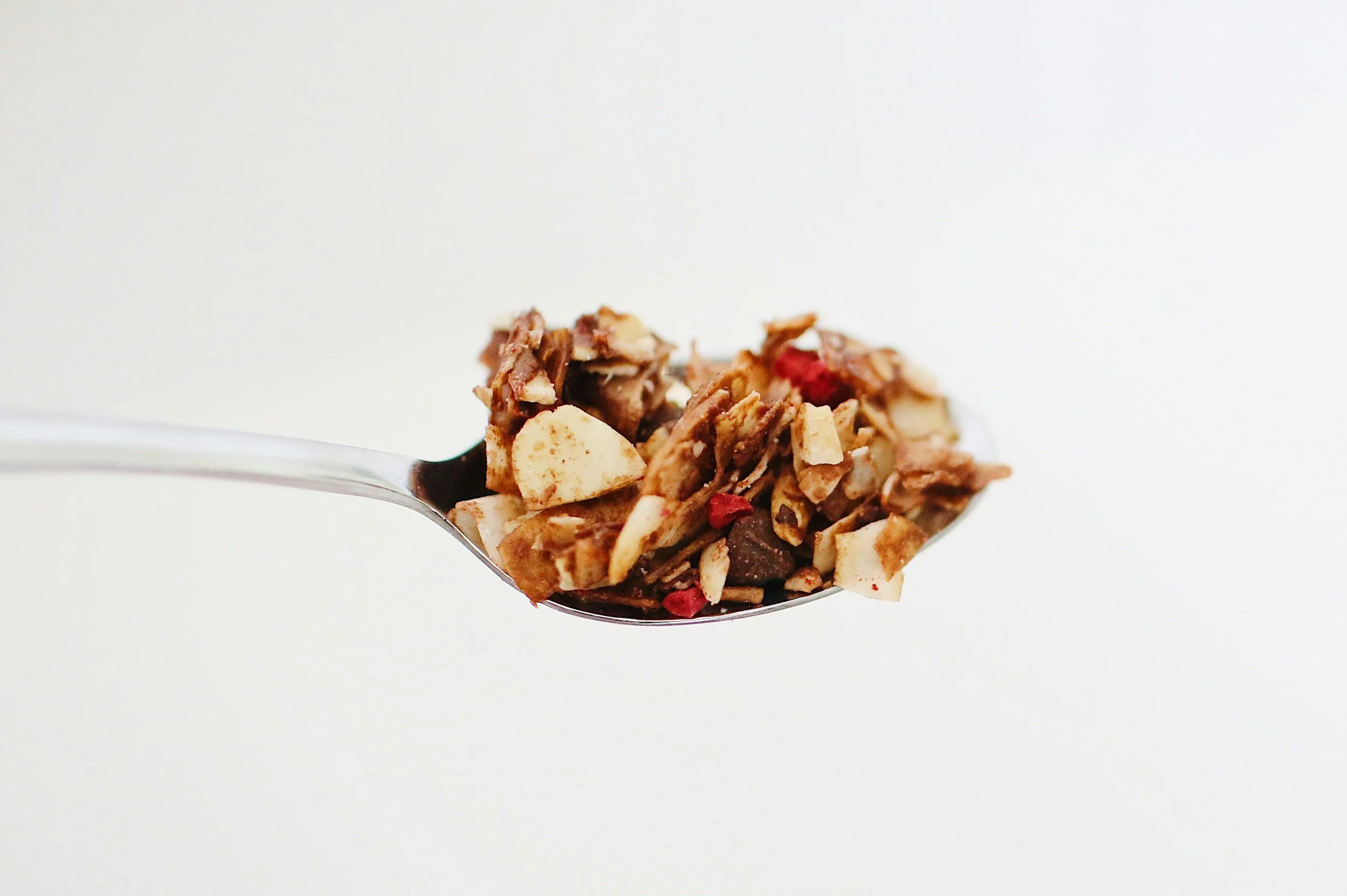
Pomegranate Maple Granola (Gluten-Free)
crunchy, golden, polyphenol- and fiber-rich
Ingredients
Dry:
2 cups gluten-free rolled oats
½ cup chopped pecans or walnuts
½ cup unsweetened shredded coconut
1 tsp cinnamon
¼ tsp sea salt
Wet:
¼ cup coconut oil, melted
¼ cup pure maple syrup
1 tsp vanilla extract
Add After Baking:
¾ cup fresh pomegranate seeds
¼ cup dried cherries or cranberries (optional)
1–2 tbsp chia seeds or hemp seeds
Instructions
Preheat oven to 325°F and line a baking sheet.
Mix all dry ingredients in a bowl.
In a separate bowl, whisk the melted coconut oil, maple syrup, and vanilla.
Combine wet + dry, spread evenly on the sheet, and bake 20–25 minutes, stirring halfway.
Let cool completely (crisping happens as it cools).
Fold in pomegranate seeds and any optional add-ins before serving.
Store granola separately and add the fresh pomegranate just before eating.
References:
[1] Gil MI, et al. “Polyphenolic Antioxidants in Pomegranate.” Journal of Agricultural and Food Chemistry.
[2] Ammar I, et al. “Pomegranate Bioactives and Oxidative Stress.” Molecular Nutrition & Food Research.
[3] Pearson-Stuttard J, et al. “Diet and Cardiovascular Disease Prevention.” Journal of the American College of Cardiology (JACC).
[4] Seeram NP, et al. “Ellagitannins and Hormone Modulation.” Journal of Nutrition.
[5] Livesey G, et al. “Dietary Fiber and Glycemic Regulation.” American Journal of Clinical Nutrition.
[6] Andreux P, et al. “Urolithin A and Mitochondrial Health.” Nature Medicine.
[7] Derrien M, et al. “Gut Microbes, Polyphenols, and SCFAs.” Nature Reviews Gastroenterology & Hepatology.
