
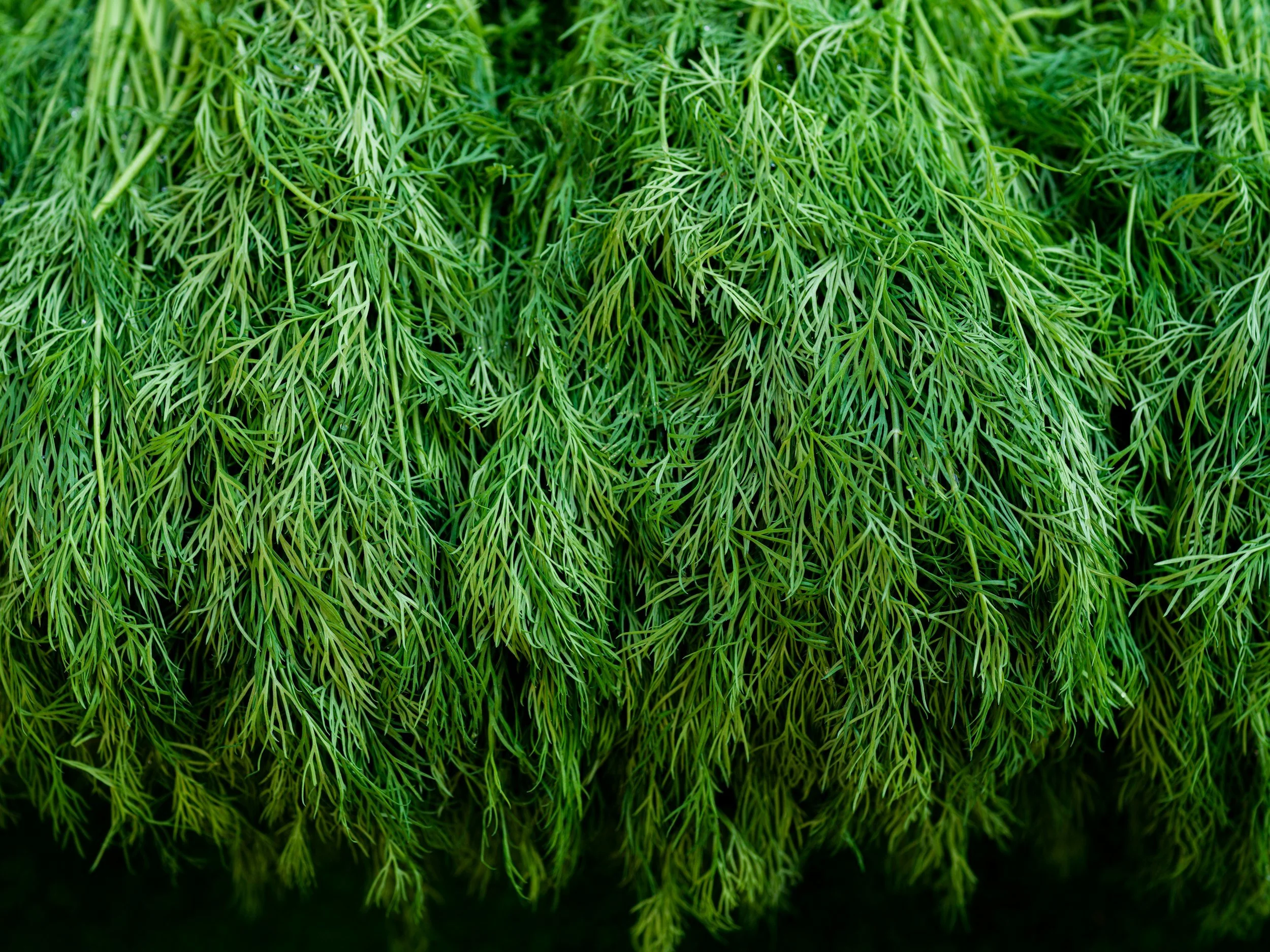
Jill loves dill
Dill is often treated as a garnish, but it is one of the most quietly functional herbs in the kitchen. Fresh dill delivers aromatic compounds that support digestion, metabolic balance, and gut health through well described biological pathways. Used consistently and added fresh, it offers subtle but meaningful support for whole body balance.
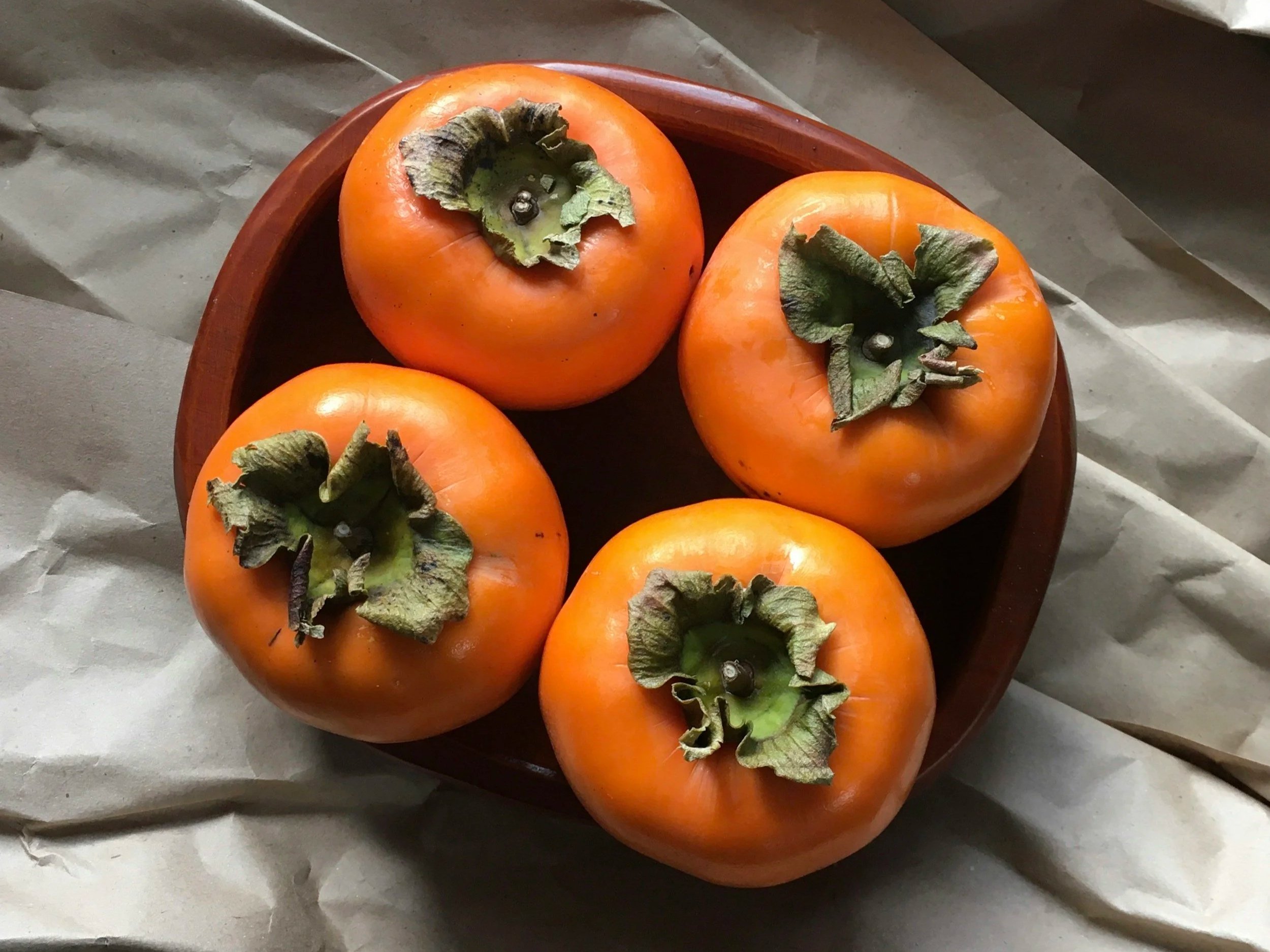
Who else just loves Persimmons?
Persimmons are one of winter’s most nourishing and underrated fruits. Their vibrant orange hue signals a dense concentration of carotenoids, polyphenols, tannins, fiber, and vitamin C—compounds shown in high-impact nutrition research to support cardiovascular health, lipid balance, oxidative stress protection, gut integrity, and immune resilience. Despite their natural sweetness, persimmons have been shown to support healthy cholesterol metabolism and reduce oxidative stress through bile acid binding and protection against LDL oxidation. Seasonal, grounding, and deeply satisfying, persimmons offer a rare combination of pleasure and physiological protection during the colder months, when the body benefits most from gentle, whole-food nourishment.
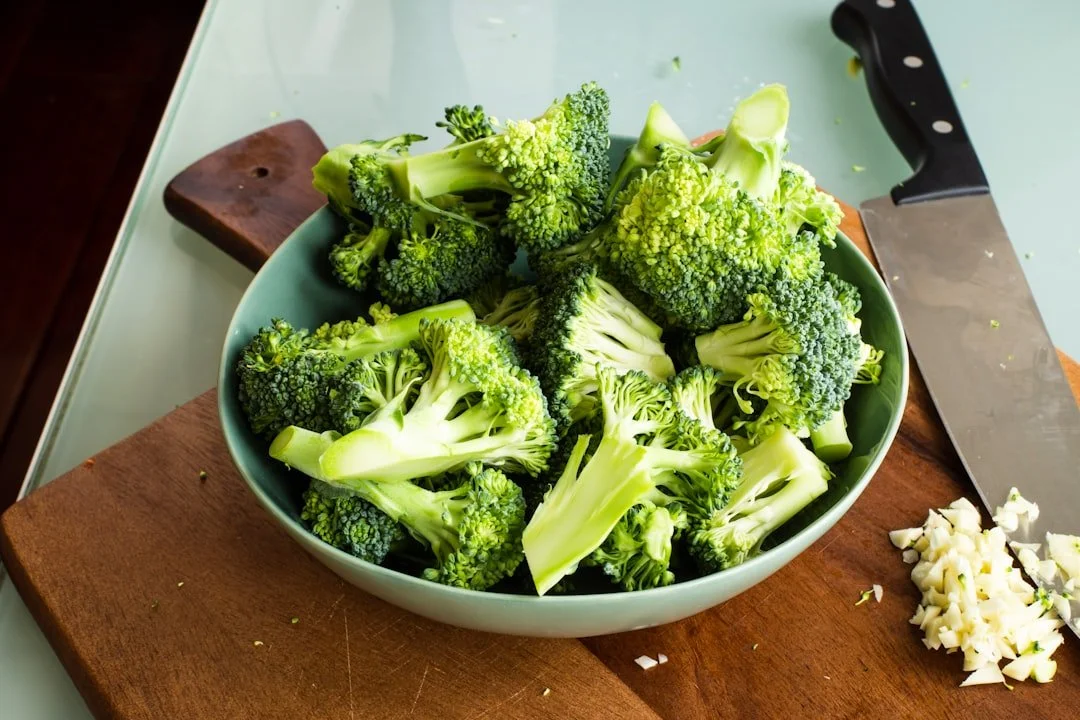
Broccoli all the way!
Broccoli is one of the most powerful yet overlooked therapeutic vegetables. Rich in fiber, glucosinolates, and micronutrients, it supports metabolic stability, detoxification, hormone balance, vascular health, and gut–brain communication—all with minimal glycemic impact. When lightly cooked, broccoli delivers clinically meaningful benefits while remaining gentle and deeply nourishing, making it an ideal everyday vegetable during busy or high-stress seasons.

Have you heard of semolina?
Semolina is a misunderstood grain with a surprisingly supportive role in balanced, metabolically stable eating. When prepared traditionally and paired thoughtfully, semolina provides steady energy, slow-digesting carbohydrates, and key minerals that support gut comfort, muscle function, and sustained performance. Far from being “empty,” high-quality semolina can be part of a nourishing, hormone- and lifestyle-aligned approach to food that values rhythm, satisfaction, and cultural wisdom.
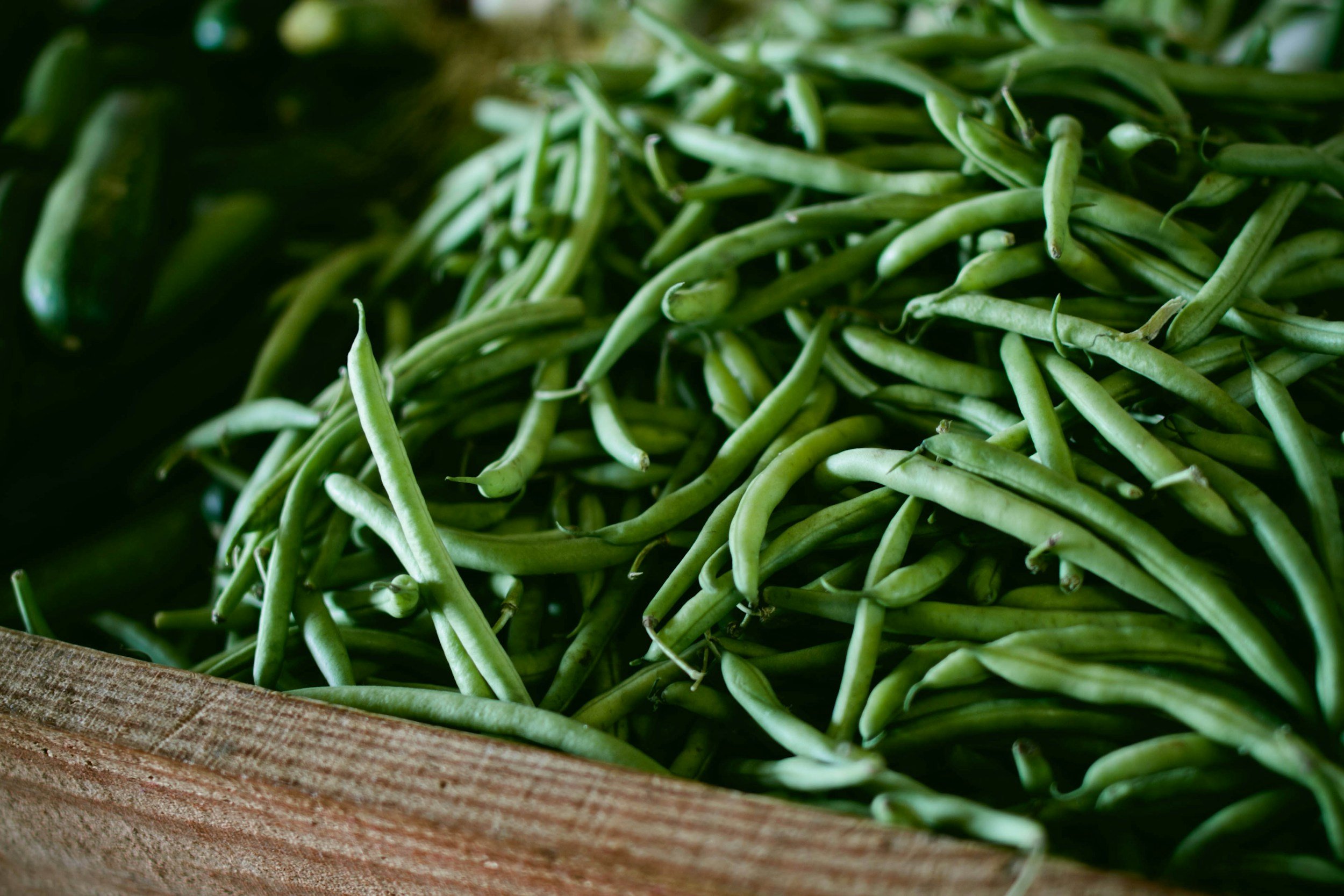
Eat your green beans!
Green beans are a quietly powerful staple. They are crisp, low-glycemic, and rich in fiber, polyphenols, and minerals that support metabolic balance, gut integrity, and vascular health. Their chlorophyll-rich structure helps regulate inflammation and support detoxification pathways, making them an ideal stabilizing food during heavier, busier seasons. Often overlooked, green beans offer steady energy and nourishment without heaviness.
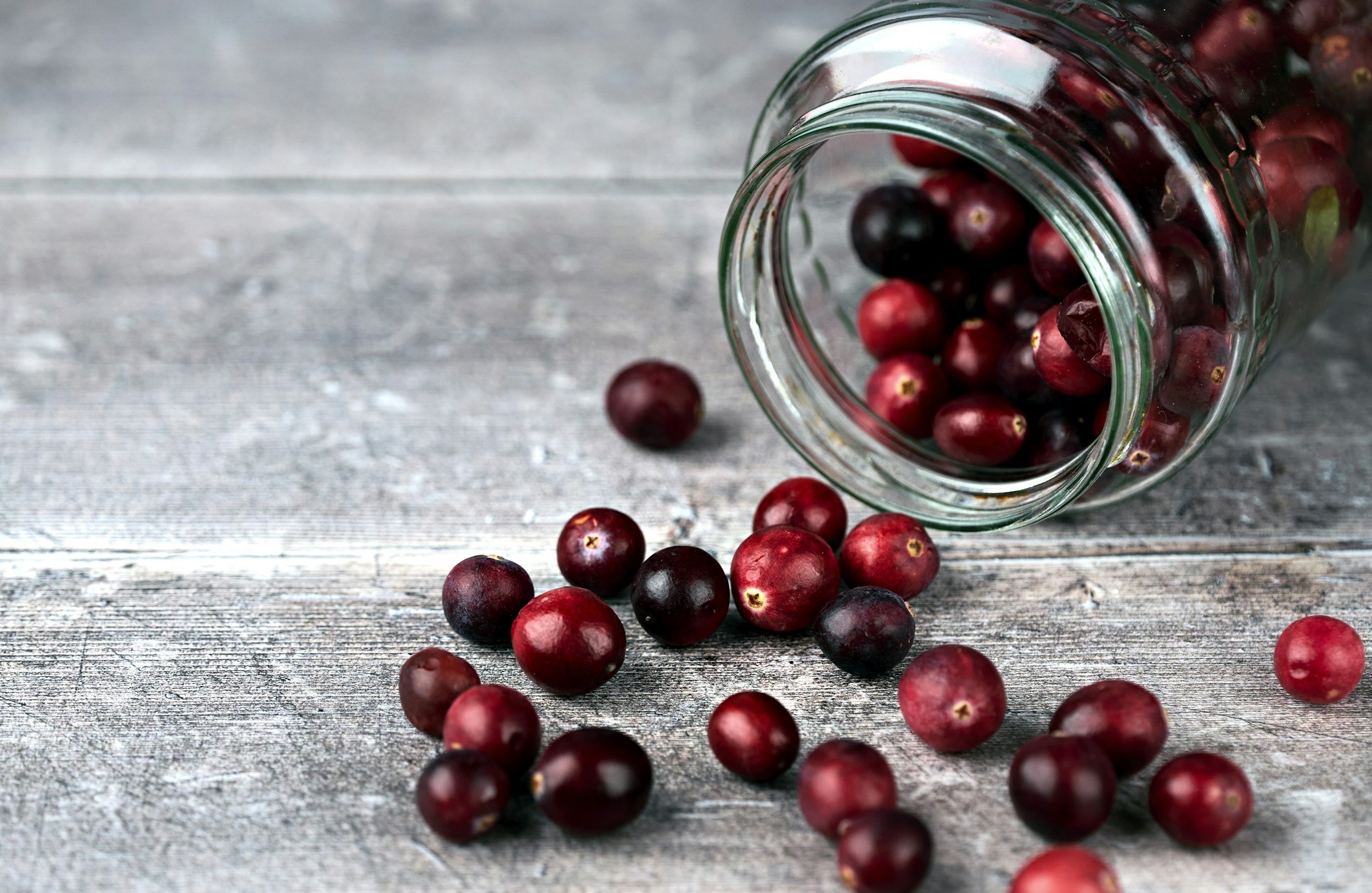
Cranberries all the way
Cranberries are one of winter’s most clinically supported fruits, delivering A-type proanthocyanidins, anthocyanins, and quercetin that strengthen metabolic health, support vascular function, and protect the gut and urinary tract. Their therapeutic depth is most pronounced in their fresh form, where polyphenols and fiber remain intact without the added sugars commonly found in dried varieties. This article explores the research behind cranberry’s anti-inflammatory, gut–brain, and cardiometabolic benefits—and why choosing fresh or low-sugar versions makes all the difference.
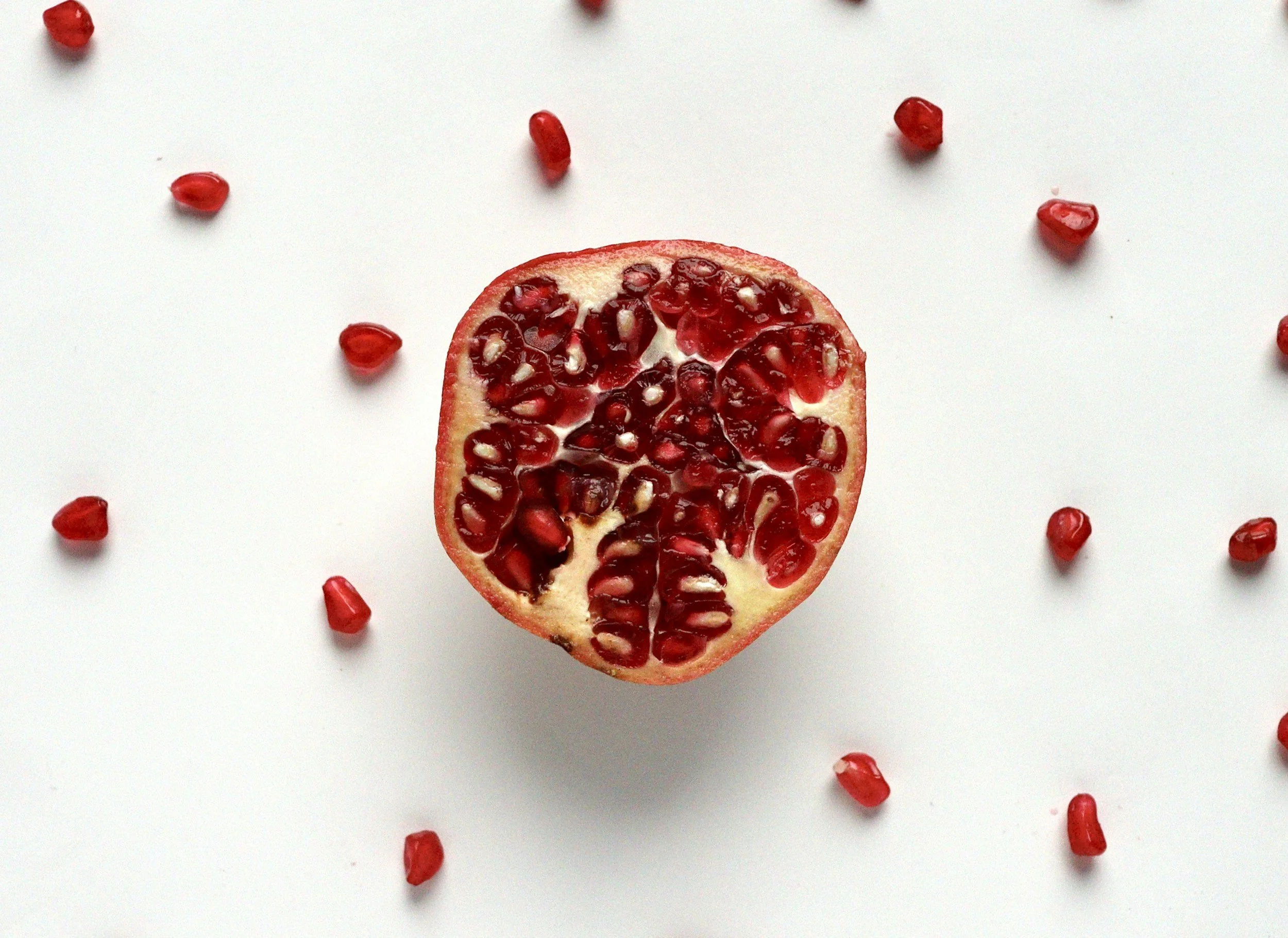
Who doesn’t like pomegranate?
Pomegranate is one of winter’s most restorative fruits: vibrant, tart-sweet, and clinically rich in polyphenols that deeply nourish the body. Its ruby seeds are packed with punicalagins, ellagic acid, and anthocyanins, which are compounds shown in high-impact research to strengthen cardiovascular health, support hormone balance, and reduce inflammation at a cellular level. What makes pomegranate especially powerful is its gut–brain impact: its polyphenols are converted into urolithins, metabolites linked to improved mitochondrial function, mood regulation, and healthier aging trajectories. It’s a fruit that delivers both radiance and resilience—bright, grounding, and profoundly healing from the inside out.

Butternut bliss, anyone?
Butternut squash is one of the season’s most nourishing functional foods, rich in carotenoids, electrolytes, and restorative plant compounds. Its vibrant orange flesh delivers a rare combination of antioxidant strength, metabolic support, and gut–brain benefits that make it especially valuable during colder months, when the body’s immune, hormonal, and circadian systems work harder to stay balanced. With its blend of slow-digesting fibers, anti-inflammatory polyphenols, and vitamin A precursors, butternut squash offers a form of nourishment that is both comforting and profoundly regenerative.
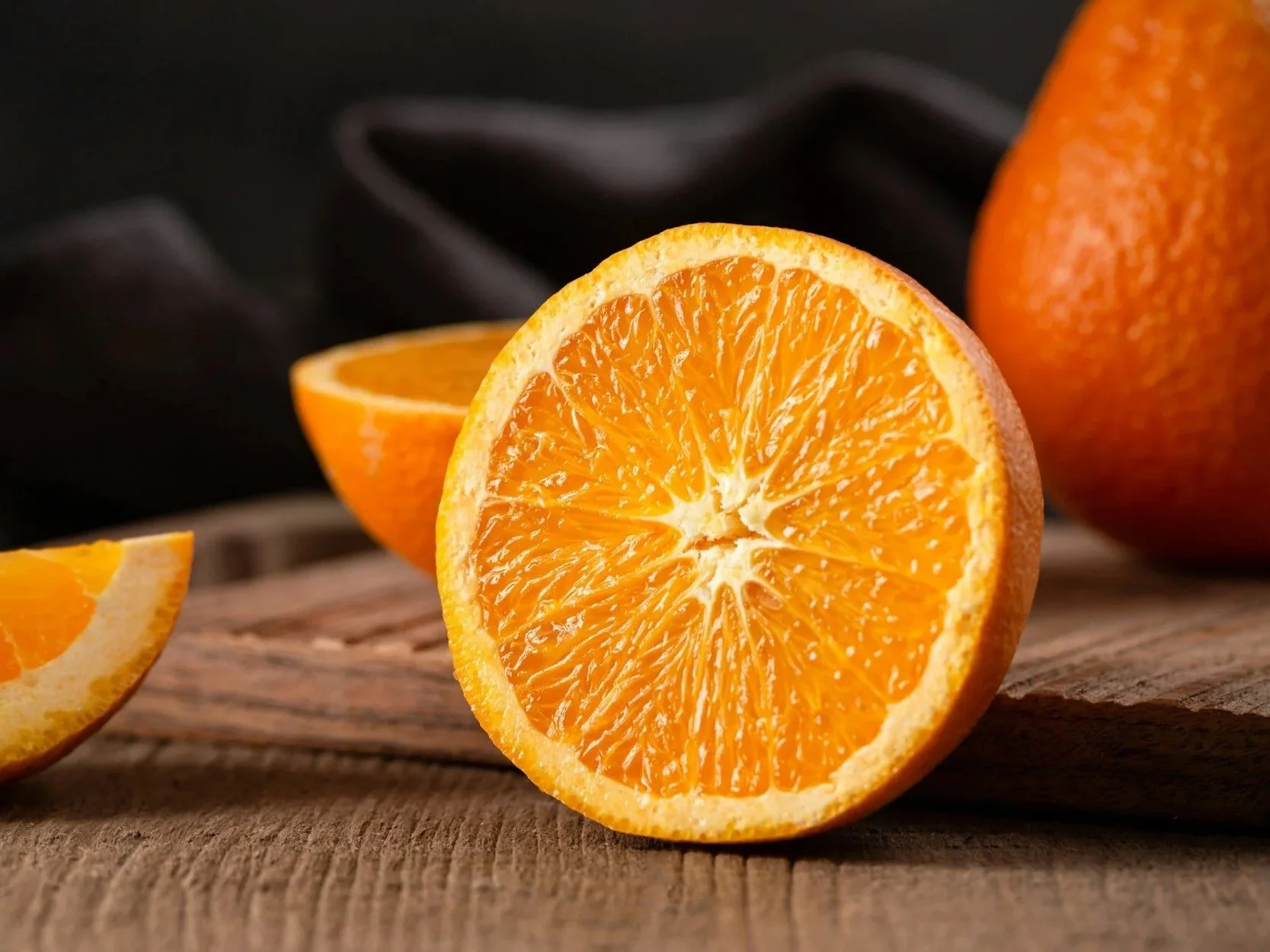
Orange you great!
There is a steadiness that oranges bring to seasonal nutrition, offering a clean, reliable source of nourishment when the body benefits from it most. As we transition into cooler months and the days grow shorter, oranges provide a grounded form of support: rich in vitamin C, flavonoids, and electrolytes that strengthen immunity, support collagen production, regulate cortisol, and enhance metabolic balance. Their vibrant flavor reflects a harmony of nutrients that energize, restore, and help us feel balanced from the inside out.
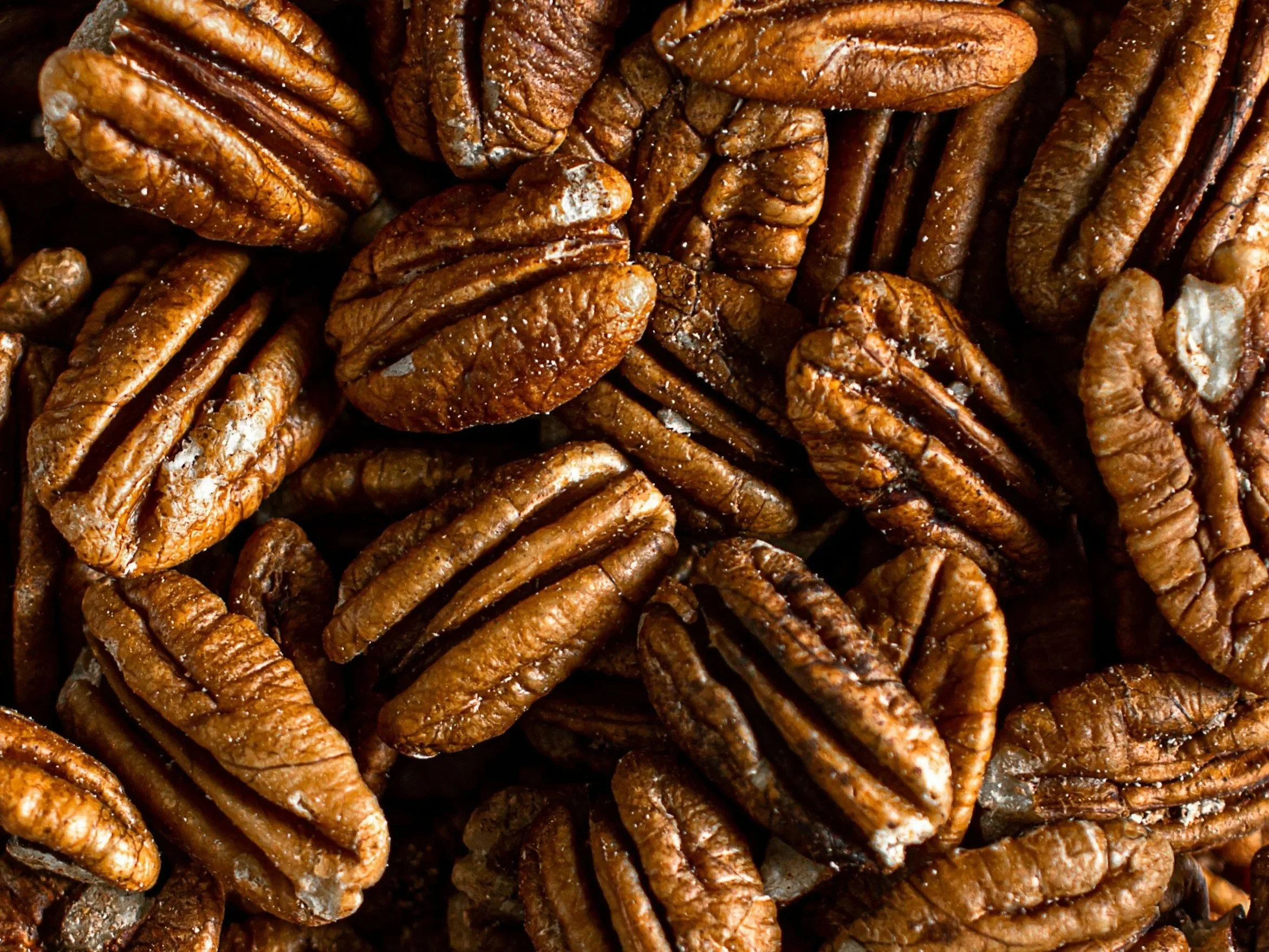
Pecans are powerful!
Pecans capture the essence of the fall season: warmth, richness, and renewal. Beneath their buttery delciousness lies a powerhouse of polyphenols, minerals, and healthy fats that support heart health, hormone balance, and cellular vitality. A seasonal fall food, pecans provide amazing nourishment during the colder months. Whether sprinkled over oats or baked into a cozy maple pecan cake, they offer balance to feel rooted, grounded, and aligned with the rhythm of the season.
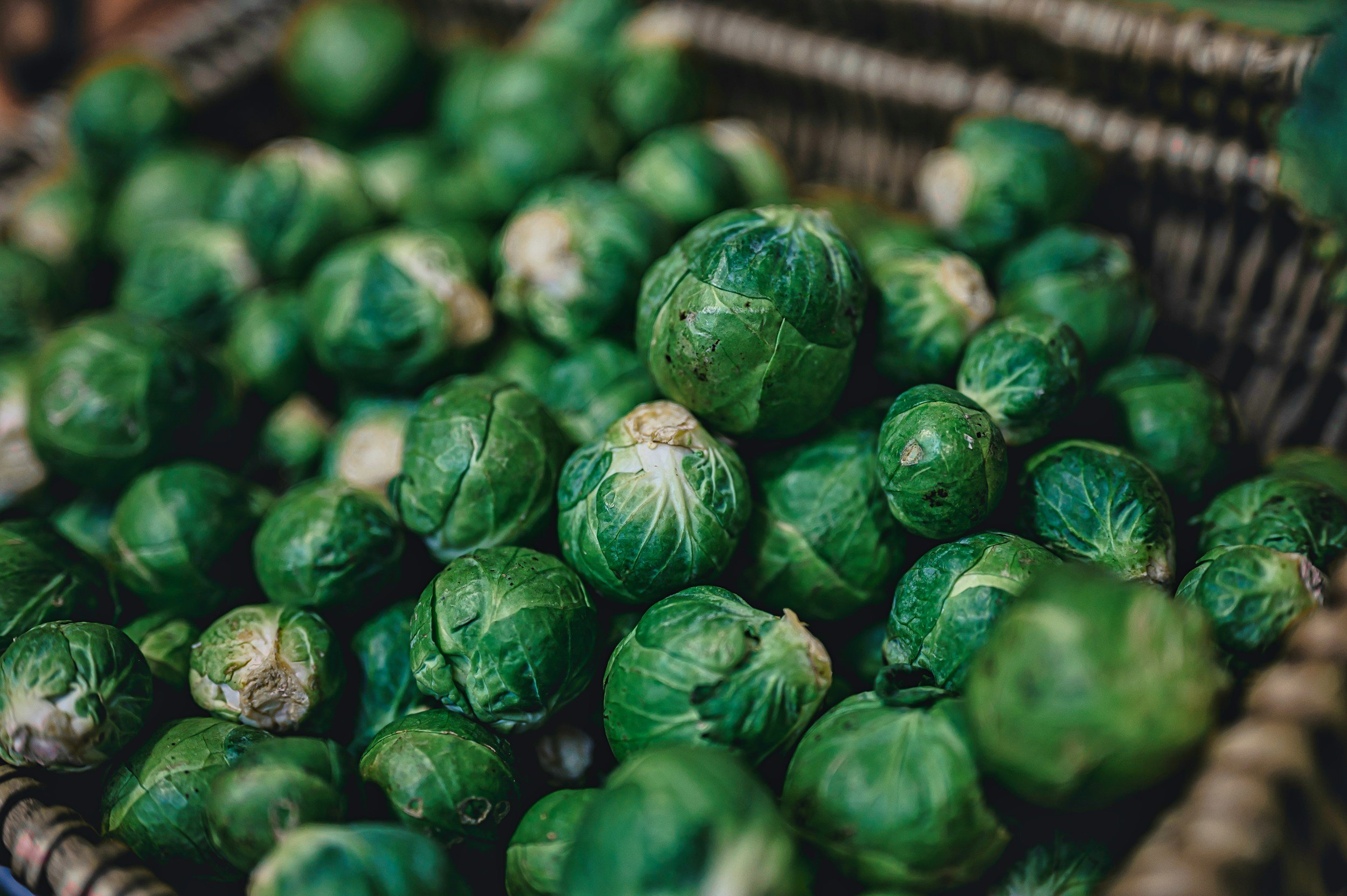
Brussels's got some great sprouts!
As the air cools and the season turns inward, Brussels sprouts come into their prime—earthy, nourishing, and quietly powerful. Packed with glucosinolates, antioxidants, and fiber, these small green gems support detoxification, hormone balance, and gut health, helping the body align with fall’s natural rhythm of renewal. When roasted or simmered in coconut curry, they remind us that true nourishment is both grounding and transformative—simple ingredients, extraordinary function.
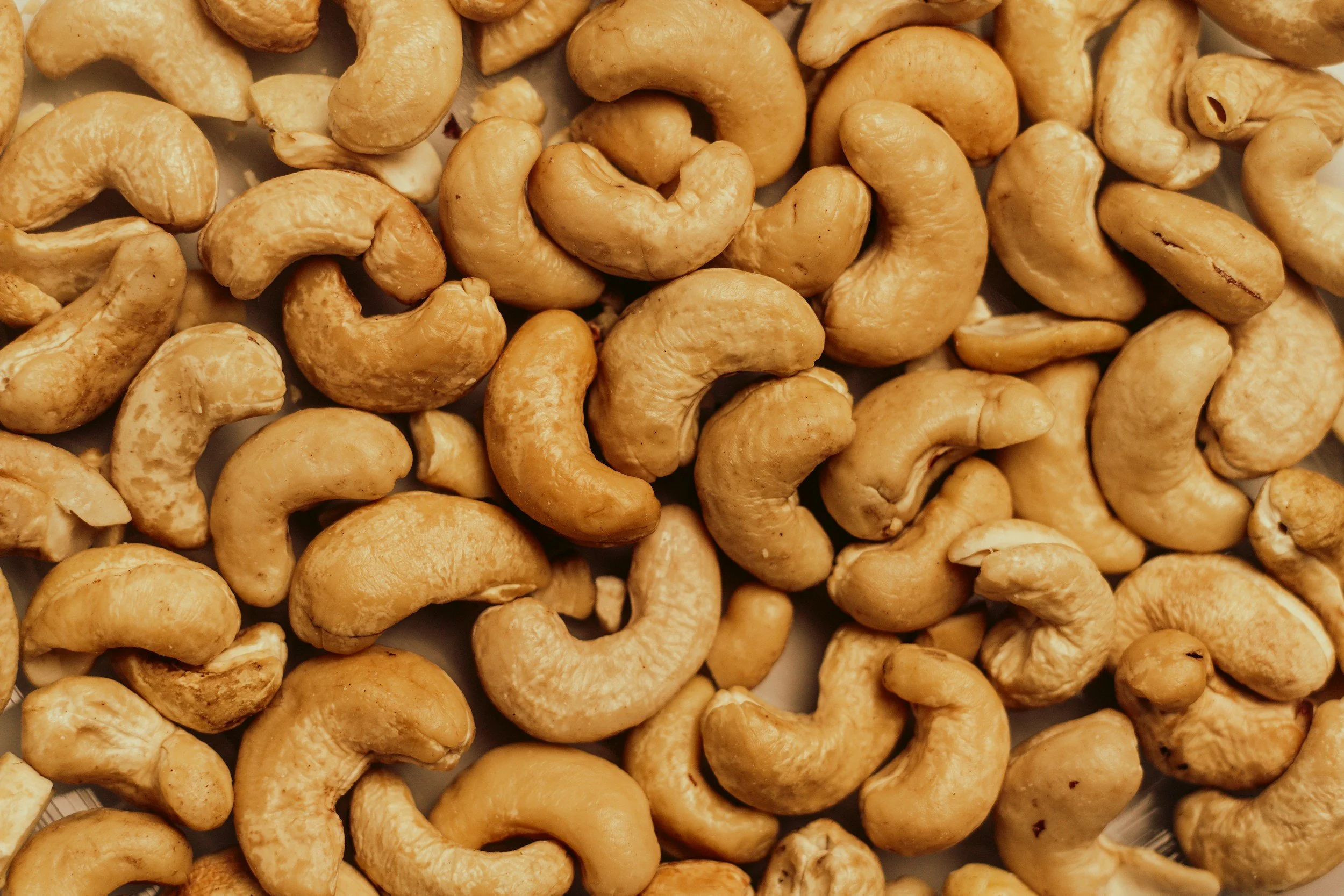
Cashews in a nutshell
Cashews are a reminder that nourishment can be both indulgent and deeply functional. Beneath their creamy texture lies a powerhouse of minerals, antioxidants, and healthy fats that support hormonal balance, radiant skin, and a calm, steady mind. Rich in magnesium and zinc, cashews help regulate mood and stress hormones, while their monounsaturated fats stabilize blood sugar and enhance nutrient absorption. The amino acids within cashews also fuel serotonin production—your natural mood stabilizer—helping you feel grounded, focused, and at ease.

It’s pumpkin season!
Pumpkin is more than a fall favorite—it’s a nutritional cornerstone for balance and vitality. Rich in beta-carotene, magnesium, zinc, and prebiotic fiber, it supports hormone health, gut function, skin radiance, and immune strength from the inside out. Its natural sweetness and grounding warmth make it a perfect example of food that truly nourishes—calming the nervous system, steadying energy, and restoring harmony through every bite.
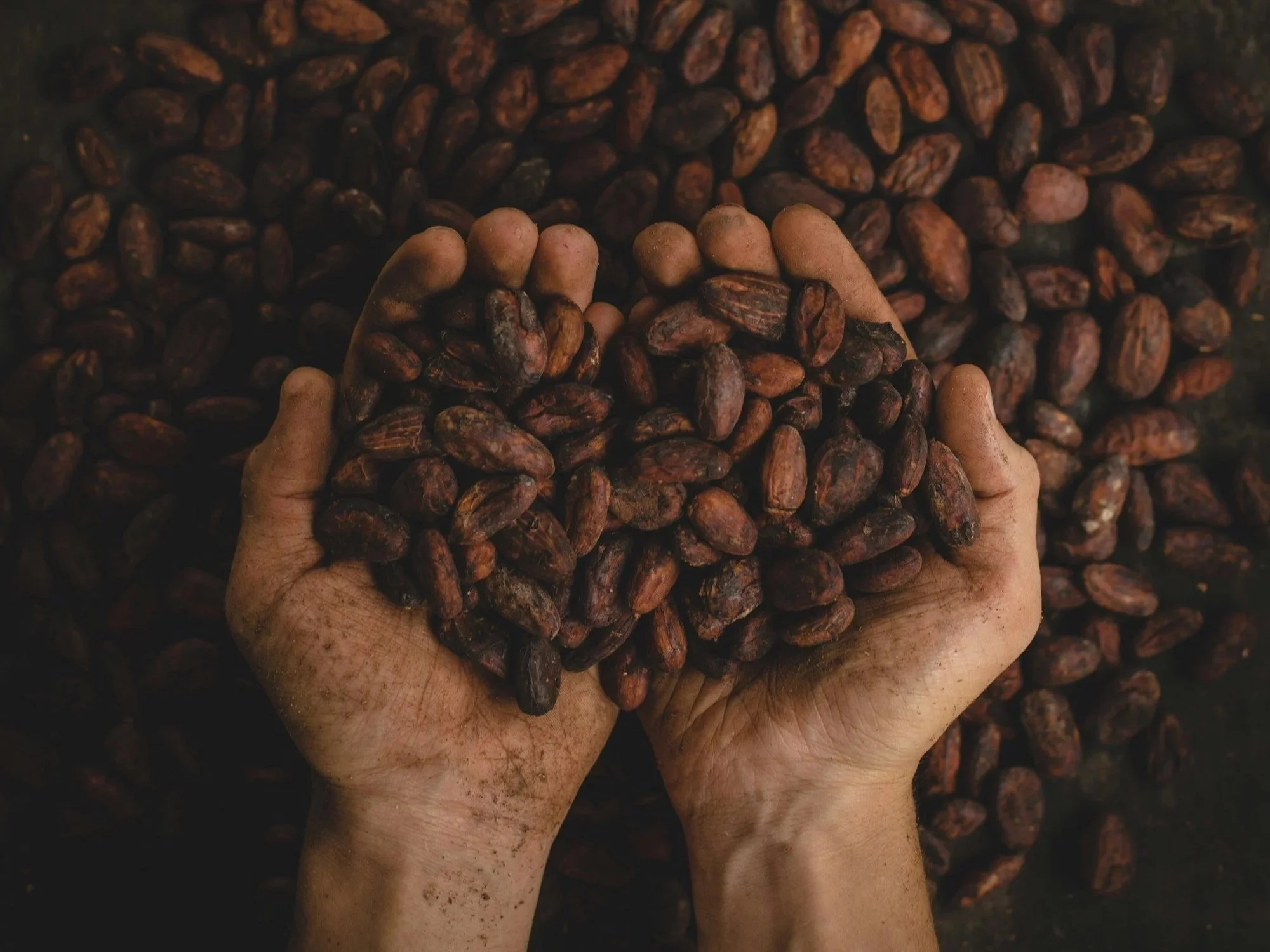
Chocolate loves you back
Cacao isn’t just comfort—it’s chemistry. Beneath every square of dark chocolate lies a powerhouse of brain-boosting flavanols, heart-protective antioxidants, and mood-regulating minerals. Studies show that pure, minimally processed cacao supports focus, circulation, and calm—proof that pleasure can be one of the most healing parts of a healthy routine. Keep reading for an incredibly delicious way to enjoy it: dark chocolate tahini cups that balance richness, sweetness, and soul.
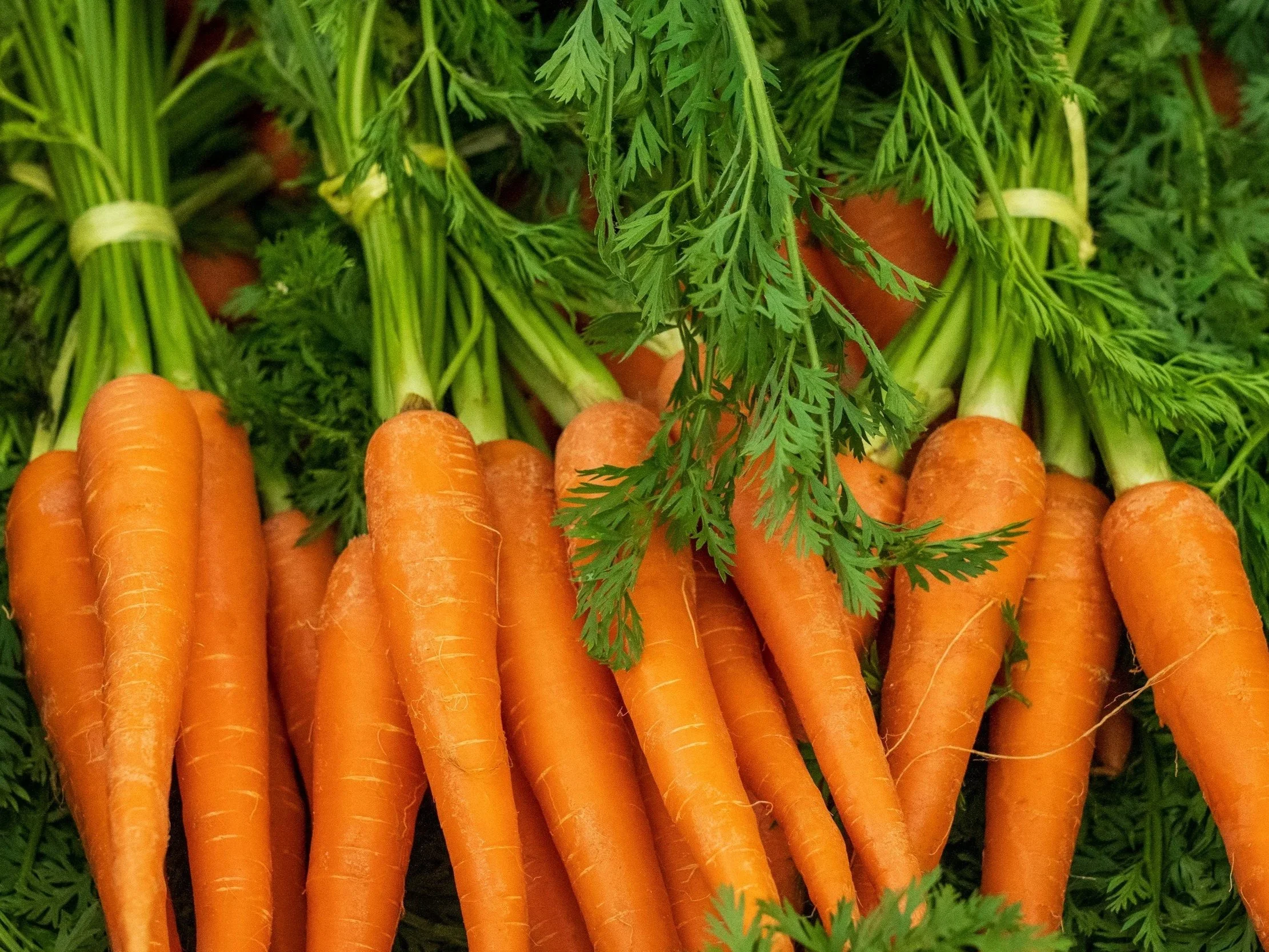
That carrot glow
Carrots aren’t just good for your eyes—they’re powerful for your skin, gut, and brain too. Rich in beta-carotene and polyphenols, they help your skin glow, support a healthy microbiome, and fuel long-term vitality. This week, we’re diving into the science-backed benefits of carrots—and sharing a cozy baked carrot cake oatmeal recipe you’ll want to make on repeat this fall.
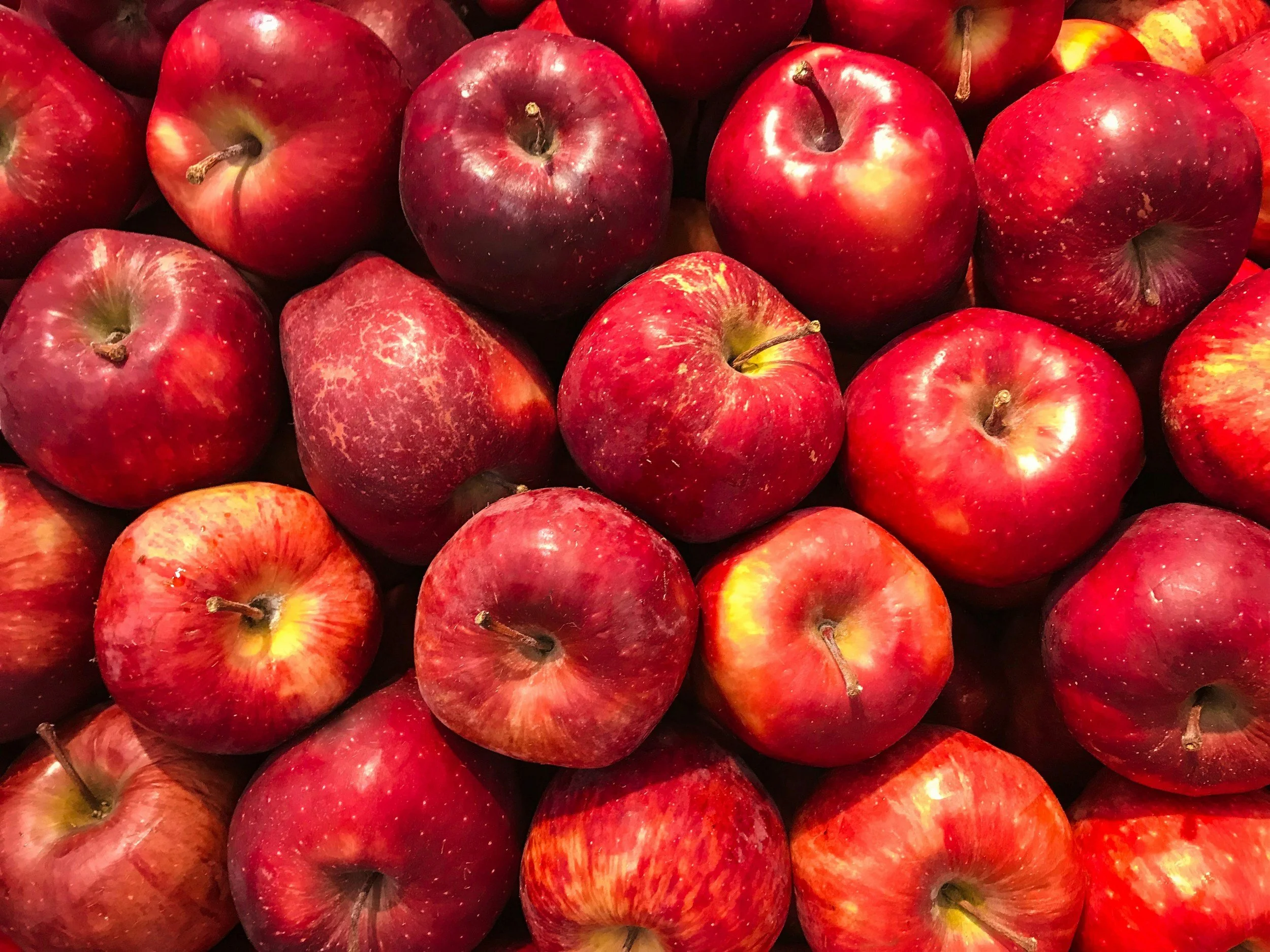
An apple a day
Apples are far more than a crisp, sweet snack — they’re packed with fiber, vitamin C, and powerful polyphenols that protect the heart, balance blood sugar, and fuel the gut microbiome. Their soluble fiber, especially pectin, promotes satiety and supports healthy digestion, while antioxidants like quercetin help reduce inflammation and oxidative stress. Whether eaten fresh, baked into a warm crumble, or blended into a smoothie, one apple a day is a simple step toward long-term health and vitality.

Going bananas!
Bananas are more than just a quick snack — they’re a nutrient powerhouse. Rich in potassium, vitamin B6, and prebiotic fibers, they support heart health, steady energy, and a thriving gut microbiome. As they ripen, green bananas offer resistant starch for gut health, while ripe ones provide more vitamin C, polyphenols, and quick energy. Whether fresh, blended, or baked into banana bread, one every other day is a simple step toward better health.
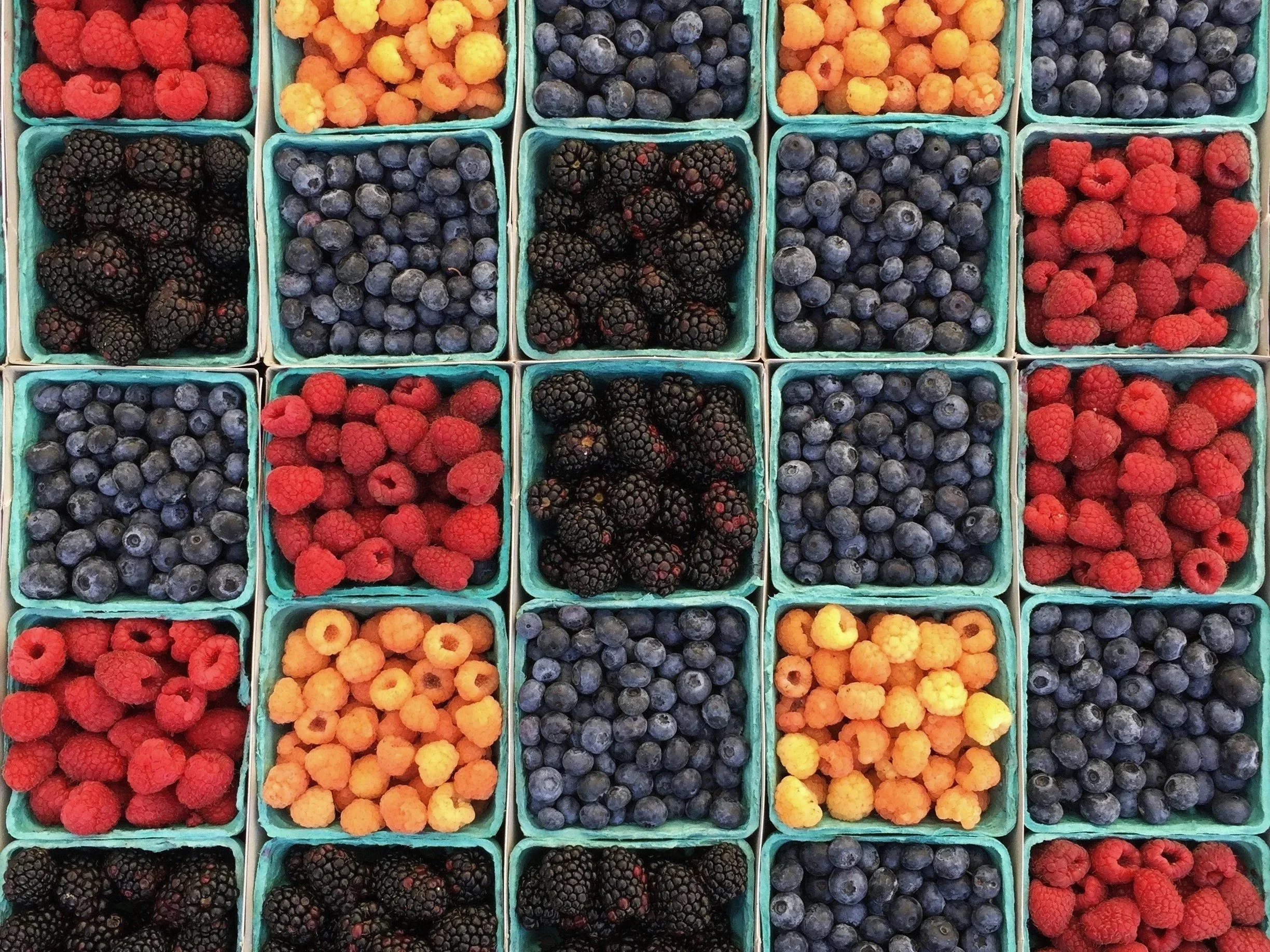
Berry good for you.
Berries may be small, but their health benefits are remarkable. Rich in fiber, polyphenols, and vitamins, they help lower inflammation, protect the heart and brain, and even improve blood sugar control. Research shows that just a handful of berries a day can support longevity and overall well-being. In this week’s Nutrition News, we explore why berries are one of the most powerful foods you can add to your plate—plus a delicious yet simple berry crumble recipe to enjoy at home.

Have an egg-celent day!
Eggs are among the most nutrient-dense foods, offering high-quality protein, essential vitamins, and powerful antioxidants in one simple package. This article explores the science-backed benefits of eggs for metabolic health, brain and eye function, and satiety—while highlighting why choosing organic, pasture-raised eggs maximizes nutritional value and supports both human and planetary well-being.
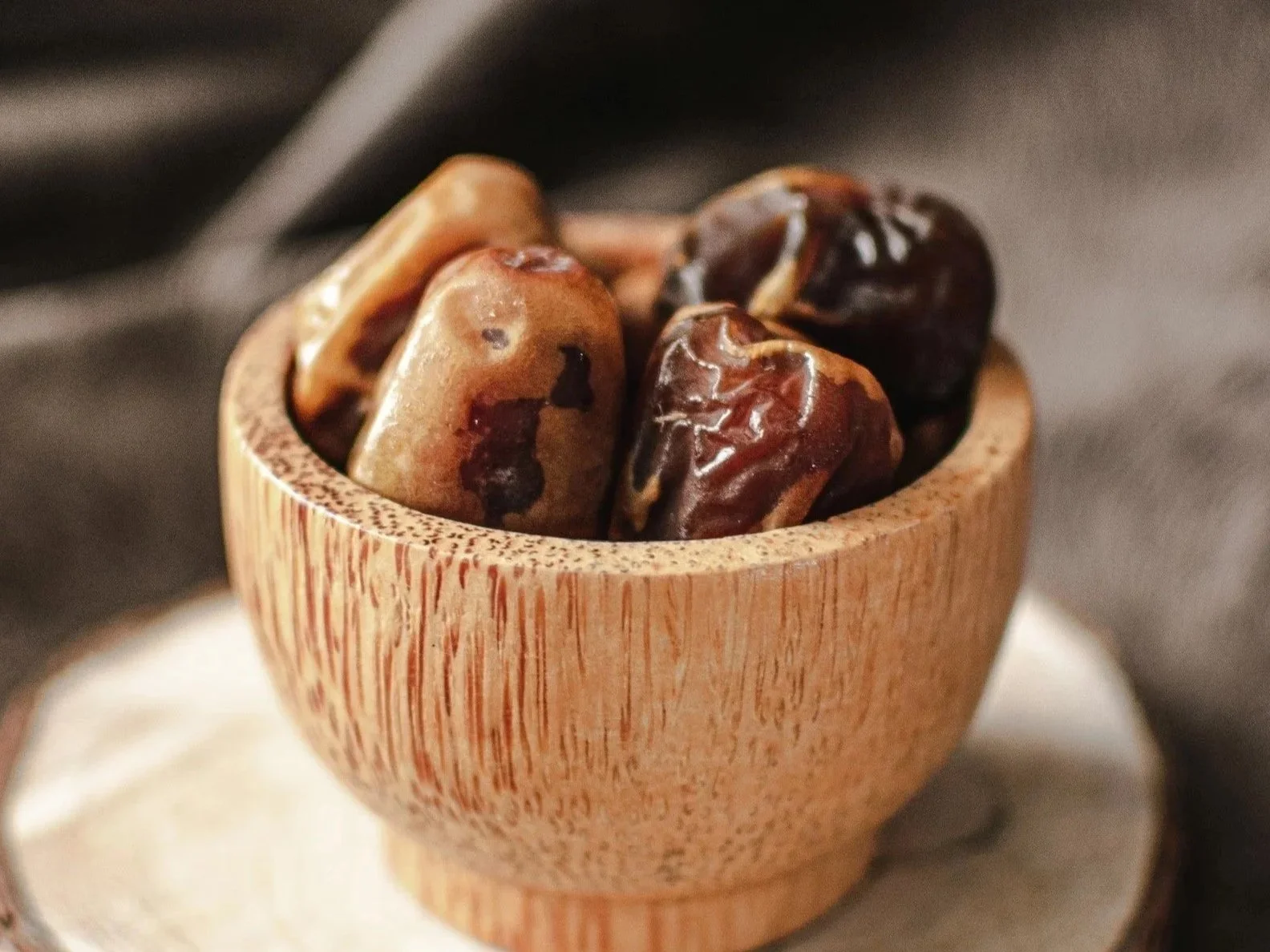
Why date?
Sweet, chewy, and nutrient-packed, dates are so much more than just nature’s candy. They deliver fiber, vitamins, minerals, and antioxidants—all while being gentler on blood sugar than refined sugar. They are the perfect ingredient to satisfy your sweet tooth. Check out this article to learn more about why you should date this week.