
Eat your green beans!
Scroll to the bottom for a delicious, easy
Lemon-Almond Green Bean recipe!
by Jill Aida Horn, MPH
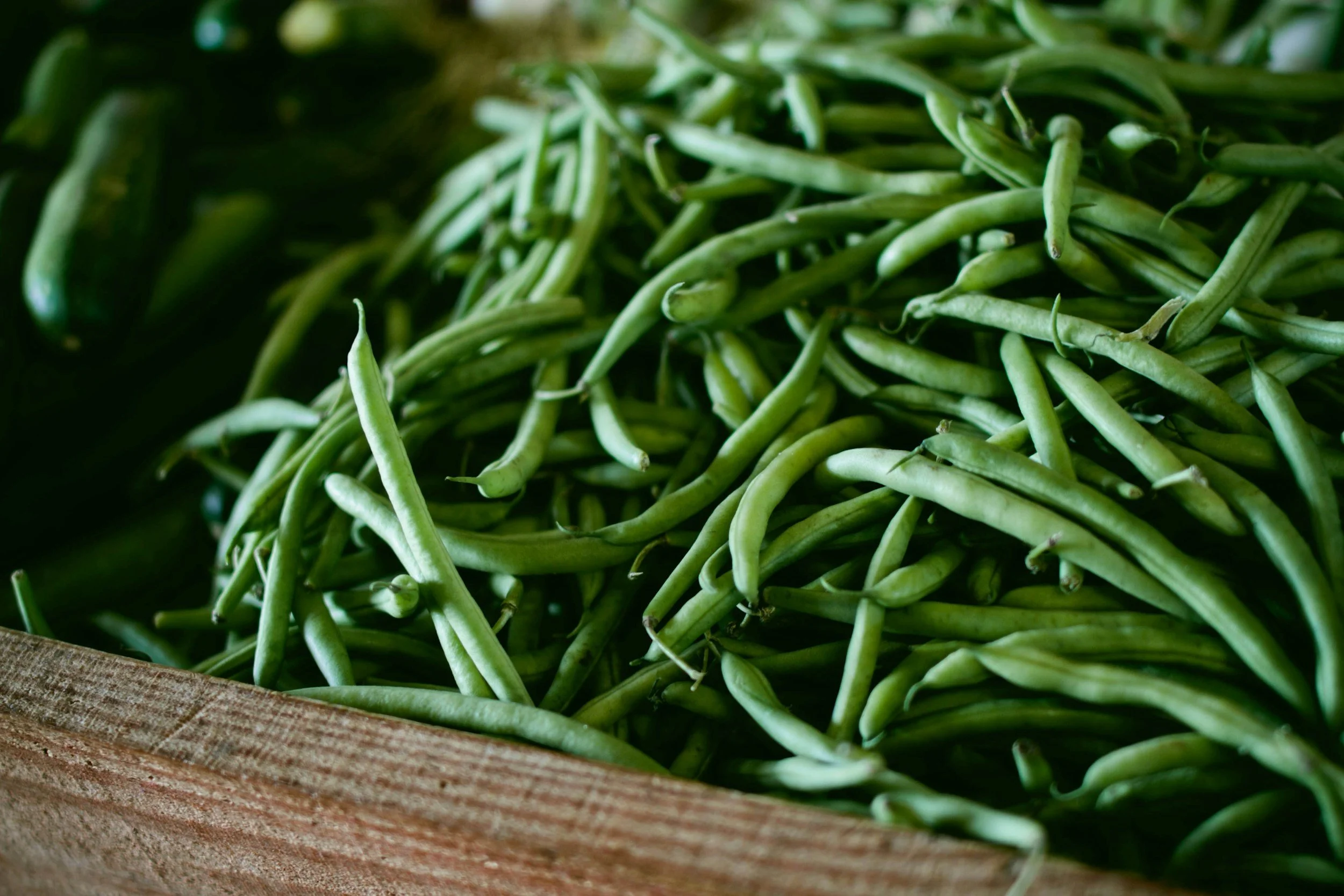
Green beans are an underestimated therapeutic vegetable. Crisp, fresh, and subtly sweet, they deliver a powerful combination of fiber, polyphenols, minerals, and micronutrients that support metabolic health, gut integrity, and vascular function. Their bright green color reflects chlorophyll, flavonoids, and carotenoids that help modulate inflammation, improve insulin sensitivity, and support cellular detoxification. Often treated as a simple side, green beans are in fact a clinically relevant, low-glycemic vegetable that fits seamlessly into hormone-supportive, cardiometabolic, and gut-brain-focused nutrition.
1. A Low-Glycemic, Fiber-Rich Vegetable for Metabolic Stability
Green beans provide a unique blend of soluble and insoluble fiber with minimal carbohydrate load. This combination slows gastric emptying, blunts post-meal glucose excursions, and supports insulin sensitivity. These things are key for metabolic resilience and hormonal balance.
High quality reviews in The American Journal of Clinical Nutrition and Diabetes Care consistently show that higher intake of non-starchy vegetables is associated with improved glycemic control, lower HbA1c, and reduced cardiometabolic risk. Green beans exemplify this category: one cup contains ~4 g fiber with a very low glycemic index, making them an ideal anchor food during heavier meals or periods of dietary fluctuation.
2. Polyphenols, Chlorophyll & Anti-Inflammatory Signaling
Green beans contain flavonoids such as kaempferol and quercetin derivatives, alongside carotenoids (lutein and beta-carotene) and chlorophyll. These polyphenols help support detoxification pathways and boost a healthy, diverse gut microbiome.
Mechanistic and population studies in Advances in Nutrition and Nutrition Reviews demonstrate that diets rich in green vegetables correlate with lower systemic inflammation markers (CRP, IL-6) and improved endothelial function. Chlorophyll-rich foods also bind certain xenobiotics in the gut, supporting detoxification and hepatic load reduction—particularly relevant during periods of increased alcohol or processed food intake (like during the holidays).
3. Vascular, Bone & Micronutrient Support
Green beans are a great source of vitamin K1, magnesium, potassium, and silicon, all of which are nutrients essential for vascular elasticity, bone mineralization, and neuromuscular function. Vitamin K1 plays a role in directing calcium to bone rather than arterial walls, supporting long-term cardiovascular health.
Large cohort analyses in Circulation and The Journal of Nutrition link higher intake of green vegetables with reduced arterial stiffness, improved blood pressure regulation, and lower cardiovascular event risk. For women in particular, green beans contribute to bone-protective nutrition without inflammatory or glycemic burden.
4. Gut Health & Nervous System Regulation
The fermentable fibers and polyphenols in green beans support short-chain fatty acid (SCFA) production—particularly butyrate—which strengthens gut barrier integrity and modulates immune-brain signaling. SCFAs play a role in vagal tone, stress resilience, and neuroinflammation control.
Reviews in Nature Reviews Gastroenterology & Hepatology highlight how vegetable-derived fibers and polyphenols shape microbial diversity and influence mood, cognition, and stress physiology. Green beans offer these benefits in a form that is gentle, digestible, and broadly tolerated.
Final Bite: Green beans deliver metabolic steadiness, vascular protection, and gut-brain support with minimal sugar, minimal effort, and maximum versatility. Lightly cooked to preserve polyphenols and fiber, they are an ideal stabilizing food during busy seasons, grounding meals without heaviness.
Below is a simple yet elegant way to enjoy them.
Recipe of the Week
Lemon–Almond Green Beans
bright • savory • mineral-rich • holiday-ready
Ingredients
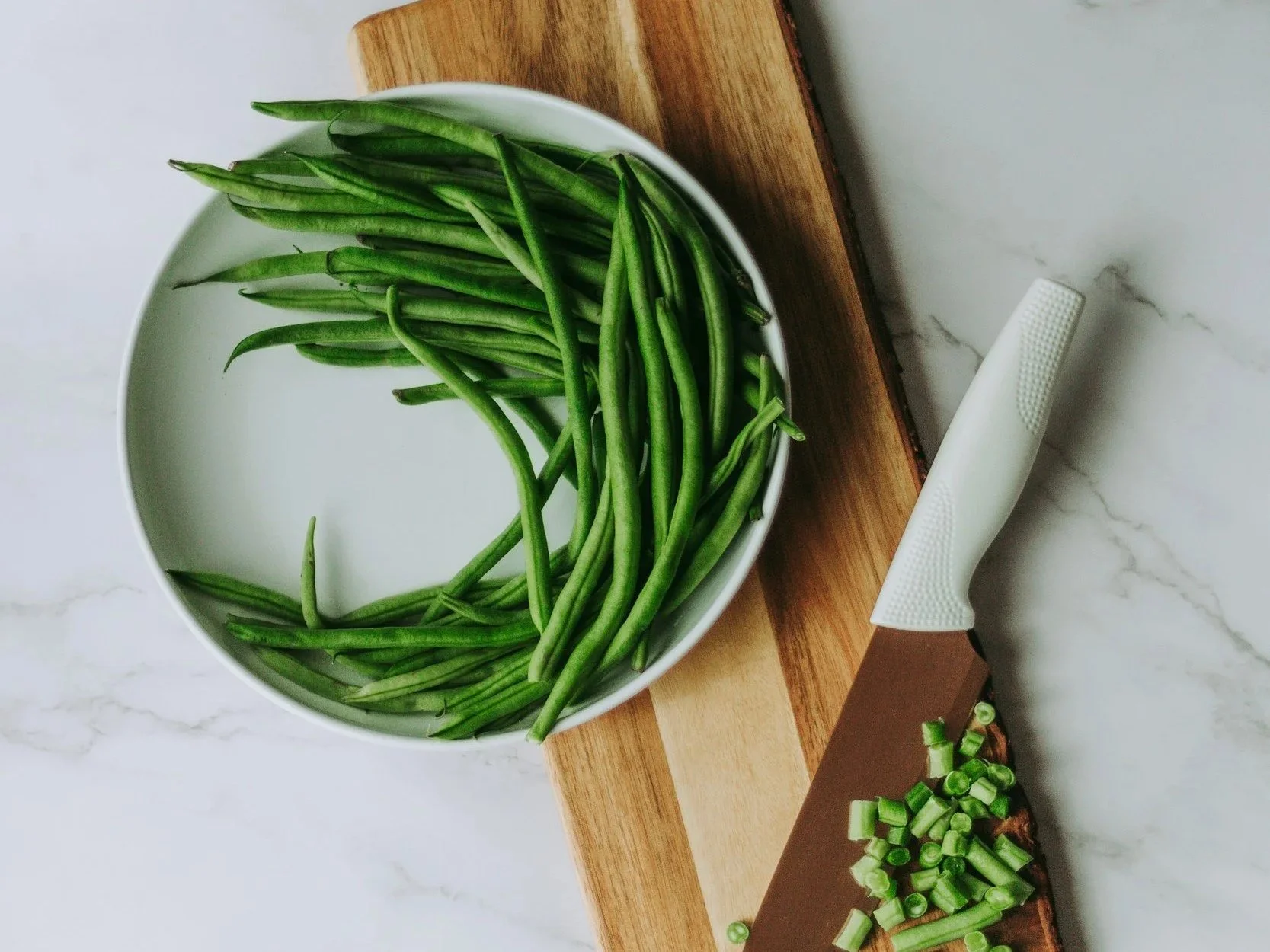
1 lb fresh green beans, trimmed
1 tbsp olive oil
1–2 cloves garlic, thinly sliced
Zest of 1 lemon
Juice of ½ lemon
2 tbsp sliced almonds
Sea salt & black pepper, to taste
Optional: pinch of red pepper flakes
Instructions
Bring a pot of salted water to a boil. Blanch green beans for 3–4 minutes until bright green and tender-crisp. Drain.
Heat olive oil in a skillet over medium heat. Add garlic and cook gently until fragrant (30–60 seconds).
Add green beans, lemon zest, lemon juice, salt, and pepper. Toss to coat.
Finish with sliced almonds and optional red pepper flakes.
Serve warm as a grounding, detox-supportive side.
Perfect alongside protein, holiday meals, or as a light dinner base.
References
Boeing H, et al. “Vegetables and Cardiometabolic Health.” The American Journal of Clinical Nutrition.
Schwingshackl L, et al. “Dietary Fiber, Glycemic Control, and Diabetes Risk.” Diabetes Care.
Liu RH. “Health Benefits of Fruit and Vegetables.” Advances in Nutrition.
Calder PC, et al. “Diet, Inflammation, and Chronic Disease.” Nutrition Reviews.
Bondonno NP, et al. “Vegetable Intake and Vascular Health.” Circulation.
McRae MP. “Vitamin K, Vascular Calcification, and Bone Health.” The Journal of Nutrition.
Cryan JF, et al. “The Microbiota–Gut–Brain Axis.” Nature Reviews Gastroenterology & Hepatology.
