
Cranberries all the way
Scroll to the bottom for a bright, yummy
cranberry orange chia jam (the perfect healthy Christmas gift)
by Jill Aida Horn, MPH
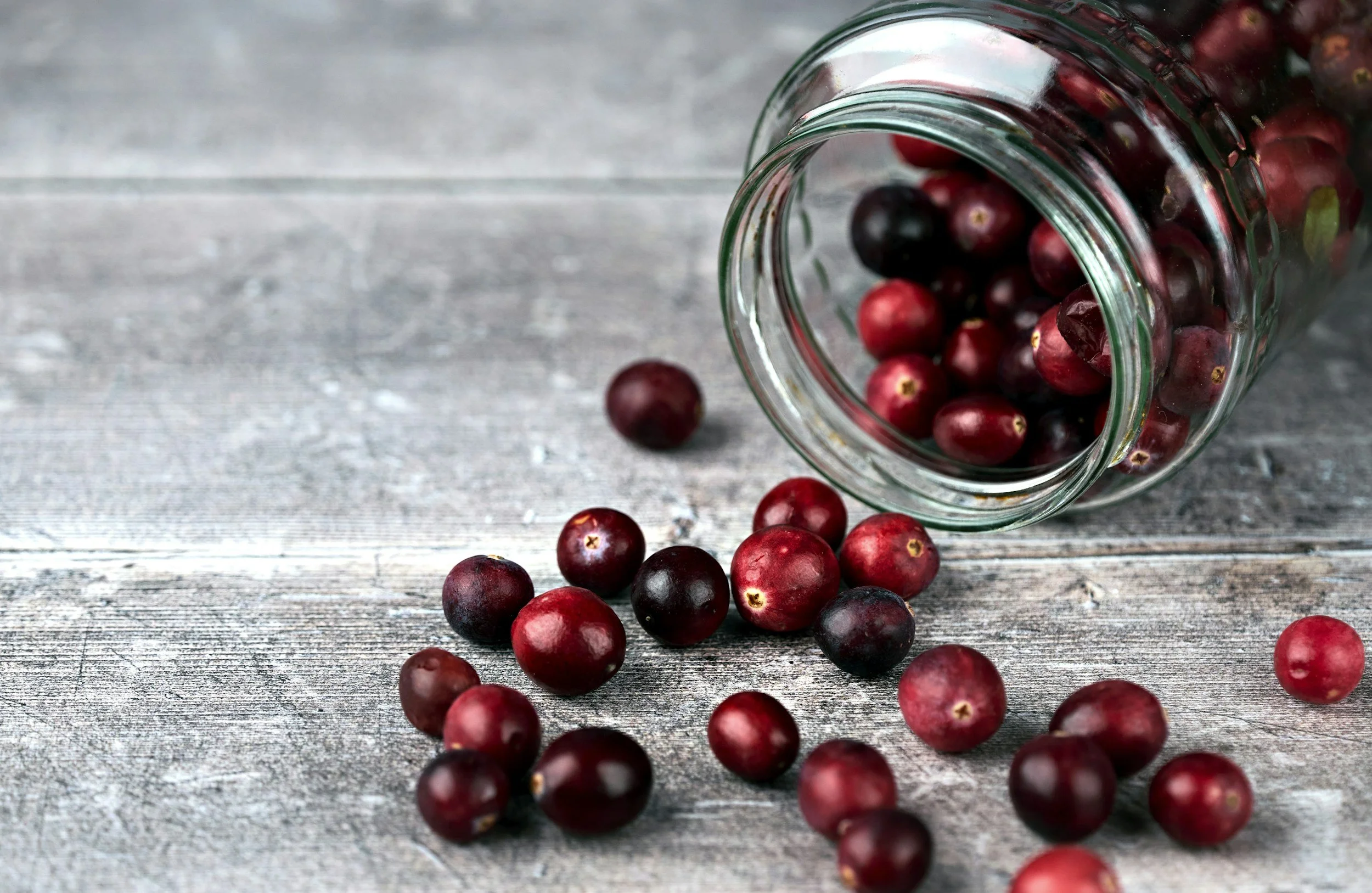
Cranberries are one of winter’s most therapeutic fruits. They are tart, vibrant, and remarkably dense in bioactive compounds that strengthen multiple physiological systems. Their deep red color signals an abundance of proanthocyanidins, anthocyanins, quercetin, and organic acids that support metabolic resilience, urinary tract health, gut–brain communication, and vascular integrity. Beneath their sharp acidity lies a clinically validated profile: cranberries are one of the most research-backed berries for modulating inflammation, protecting epithelial barriers, and supporting long-term cardiometabolic health. They’re a true example of how seasonal whole foods can act as targeted, functional medicine.
1. A Polyphenol-Rich Berry with Distinct Clinical Benefits
Cranberries contain one of the highest concentrations of A-type proanthocyanidins (PACs)—a rare class of polyphenols not commonly found in other berries. These PACs exhibit exceptional anti-adhesive and antioxidant properties, protecting tissues from oxidative stress and microbial imbalance [1]. Studies in Advances in Nutrition and Journal of Agricultural and Food Chemistry show that cranberry PACs can significantly reduce inflammatory signaling, enhance mitochondrial protection, and strengthen epithelial integrity at the cellular level [1,2].
Their anthocyanins and quercetin further amplify anti-inflammatory defenses, supporting immune readiness and metabolic stability during colder months. This makes cranberries a powerful winter fruit when oxidative load, stress, and immune challenges naturally increase.
2. Fresh vs. Dried Cranberries: A Crucial Distinction
Why the form matters for metabolic health, polyphenols, and sugar load:
Fresh cranberries offer the full spectrum of PACs, anthocyanins, fiber, vitamin C, and organic acids with extremely low natural sugar content. Fresh cranberries contain only about 4 grams of sugar per cup, making them one of the lowest-sugar fruits available.
Dried cranberries, however, are often heavily sweetened. Many store-bought varieties contain 20–30 grams of added sugar per small serving—transforming a therapeutic berry into a high-glycemic snack. Excess sugar overwhelms cranberry’s metabolic advantages and can interfere with insulin regulation, inflammation pathways, and gut microbiota balance.
To preserve the fruit’s clinical benefits, look for:
• unsweetened dried cranberries (rare but available)
• lower-sugar varieties sweetened with apple juice
• freeze-dried cranberries, which retain polyphenols without added sweeteners
The research is clear: the therapeutic strength of cranberries—especially their PACs—is best preserved when sugar exposure is minimized. Choosing fresh or low-sugar dried versions maintains cranberry’s ability to support immunity, metabolic health, and inflammation regulation.
3. Cardiometabolic and Hormonal Support
Cranberries are strongly associated with vascular protection and metabolic balance. High-impact studies show that cranberry polyphenols reduce LDL oxidation, improve endothelial responsiveness, and support nitric oxide pathways—enhancing blood flow and protecting against inflammation-driven vascular aging [3].
Their naturally low glycemic load (especially in their fresh state) helps stabilize blood sugar, reduce glycemic variability, and regulate appetite-related hormones. This makes cranberries a steadying winter fruit during a season of heavier meals and fluctuating energy.
4. Gut–Brain Health & UTI Protection
Cranberries are known for their epithelial-protective effects, particularly in the urinary tract. A-type PACs prevent bacterial adhesion—an effect validated across multiple clinical trials and highlighted in Nature Reviews Urology [6].
Beyond these benefits, cranberry polyphenols influence the microbiome by promoting SCFA-producing bacteria, strengthening gut barrier function, and modulating neuroinflammation. These pathways support cognition, mood regulation, and a calmer stress response, making cranberries an unexpected but powerful gut-brain ally [7].
Final Bite: Cranberries deliver metabolic stability, immune readiness, and research-backed anti-inflammatory support to the winter season. Enjoy them fresh for maximum benefit, choose low-sugar dried varieties when needed, and fold them into recipes that maintain their therapeutic integrity.
Below is a simple, nourishing option to get started.
Recipe of the Week
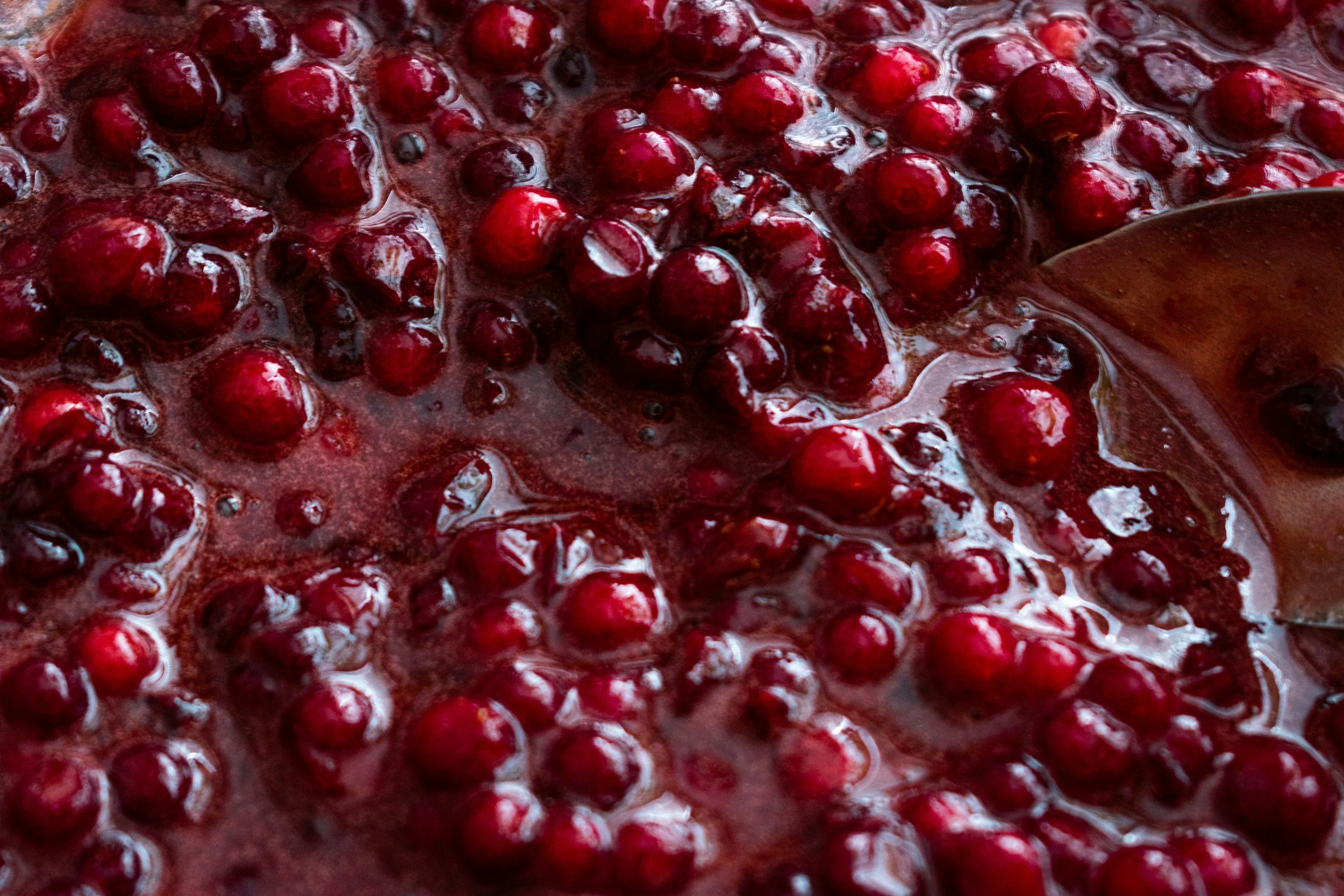
Cranberry Orange Chia Jam (refined sugar free)
bright, tangy, polyphenol-rich, naturally thickened
Ingredients
2 cups fresh or frozen cranberries
¼ cup pure maple syrup (adjust to taste)
¼ cup water
Zest of 1 orange
Juice of ½ orange
1–2 tbsp chia seeds
½ tsp vanilla extract (optional)
Pinch of sea salt
Instructions
Add cranberries, water, orange juice, orange zest, and maple syrup to a small pot.
Bring to a simmer over medium heat; cook 10–12 minutes, gently breaking down the cranberries as they soften.
Remove from heat. Stir in chia seeds, vanilla, and salt.
Let sit 10 minutes to thicken.
Store in a sealed jar for up to one week.
Perfect on yogurt, toast, oatmeal, pancakes, or as a bright holiday topping.
References
[1] Feliciano RP, et al. “Cranberry Polyphenols and Health.” Advances in Nutrition.
[2] Côté J, et al. “Cranberry Extracts and Antioxidant Pathways.” Journal of Agricultural and Food Chemistry.
[3] Basu A, et al. “Cranberries and Vascular Function.” Atherosclerosis.
[4] Törrönen R, et al. “Berries and Glycemic Regulation.” American Journal of Clinical Nutrition.
[5] Roy S, et al. “Cranberries and Antioxidant Defense Systems.” Nutrition Reviews.
[6] Howell AB. “Cranberry PACs and UTI Prevention.” Nature Reviews Urology.
[7] Rodríguez-Morató J, et al. “Polyphenols, Microbiota, and Gut–Brain Signaling.” Nature Reviews Gastroenterology & Hepatology.
