
Jill loves dill
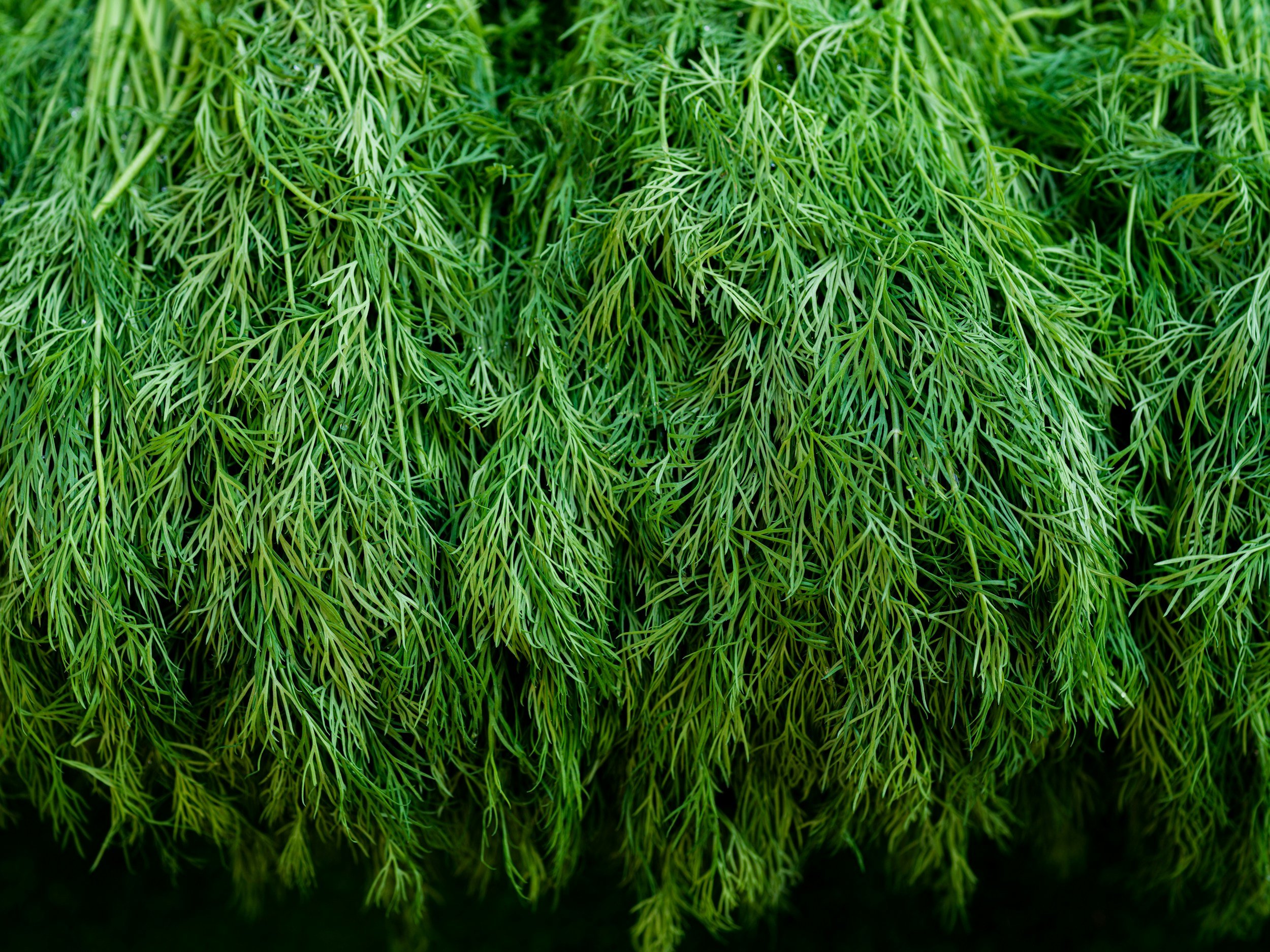
Scroll to the bottom for a delicious, fresh
lemon-dill yogurt sauce.
by Jill Aida Horn, MPH
Dill is a delicate yet highly functional culinary herb with a long history of medicinal use and increasing support from modern nutrition and phytochemistry research. Bright, aromatic, and gently grassy, dill contains a concentrated mix of volatile oils, flavonoids, and phenolic compounds that influence digestion, metabolic balance, vascular function, and inflammatory signaling. Its characteristic aroma reflects a biologically active phytochemical profile that interacts directly with gut and liver pathways, helping regulate digestive comfort and post-meal balance.
Often treated as a garnish, dill is better understood as a supportive herb that works through small, consistent exposure rather than large therapeutic doses.
1. A volatile oil-rich herb that supports digestion
Dill contains essential oils including carvone, limonene, and alpha phellandrene, compounds known for their antispasmodic and carminative effects. Studies published in the Journal of Ethnopharmacology and Phytotherapy Research show that extracts of Anethum graveolens can reduce smooth muscle contraction in the gastrointestinal tract, support bile flow, and modulate inflammatory signaling involved in bloating and digestive discomfort [1,2].
Dill also provides flavonoids such as quercetin and kaempferol, which contribute antioxidant activity and help protect intestinal and hepatic tissues from oxidative stress.
2. Fresh versus dried dill and why form matters
Fresh dill delivers a really high concentration of volatile oils and heat-sensitive polyphenols. These compounds are responsible for dill’s digestive and anti-inflammatory effects and are easily degraded by drying and prolonged storage.
Analyses published in Food Chemistry show that drying significantly reduces dill’s essential oil content and aromatic monoterpenes, leading to lower physiological activity despite preserved flavor [3]. For this reason, fresh dill provides a stronger biological signal when used regularly in meals.
To preserve potency, add fresh dill at the end of cooking and store it gently in the refrigerator.
3. Cardiometabolic and vascular support
Dill has been studied for its effects on lipid metabolism and oxidative stress. Research published in Clinical Nutrition and the Journal of Medicinal Food suggests that dill intake may help lower total cholesterol and triglycerides while improving antioxidant enzyme activity [4,5].
These effects are attributed to dill’s phenolic compounds, which help protect circulating lipids from oxidation and support endothelial function. Because dill adds flavor without carbohydrate or sugar, it fits naturally into eating patterns that support metabolic stability.
4. Gut microbiome and barrier protection
In addition to its digestive effects, dill appears to support gut barrier integrity through its gut-healthy plant compounds. Polyphenols and essential oils found in dill have been shown to influence microbial balance and reduce inflammatory stress on the intestinal lining, as reported in Nutrition Reviews and related phytochemical literature [6].
By supporting gut integrity and reducing low-grade inflammation, dill indirectly supports gut-brain communication and overall physiological resilience.
Final Bite: Dill is so much more than just a finishing herb. Its volatile oils and polyphenols support digestion, lipid balance, and gut health through well-described biological pathways. Used fresh and consistently, dill offers subtle but meaningful support for whole body balance.
Below is an easy, nourishing way to incorporate dill regularly.
Recipe of the Week
Lemon Dill Yogurt Sauce
cool, savory, digestion-supportive
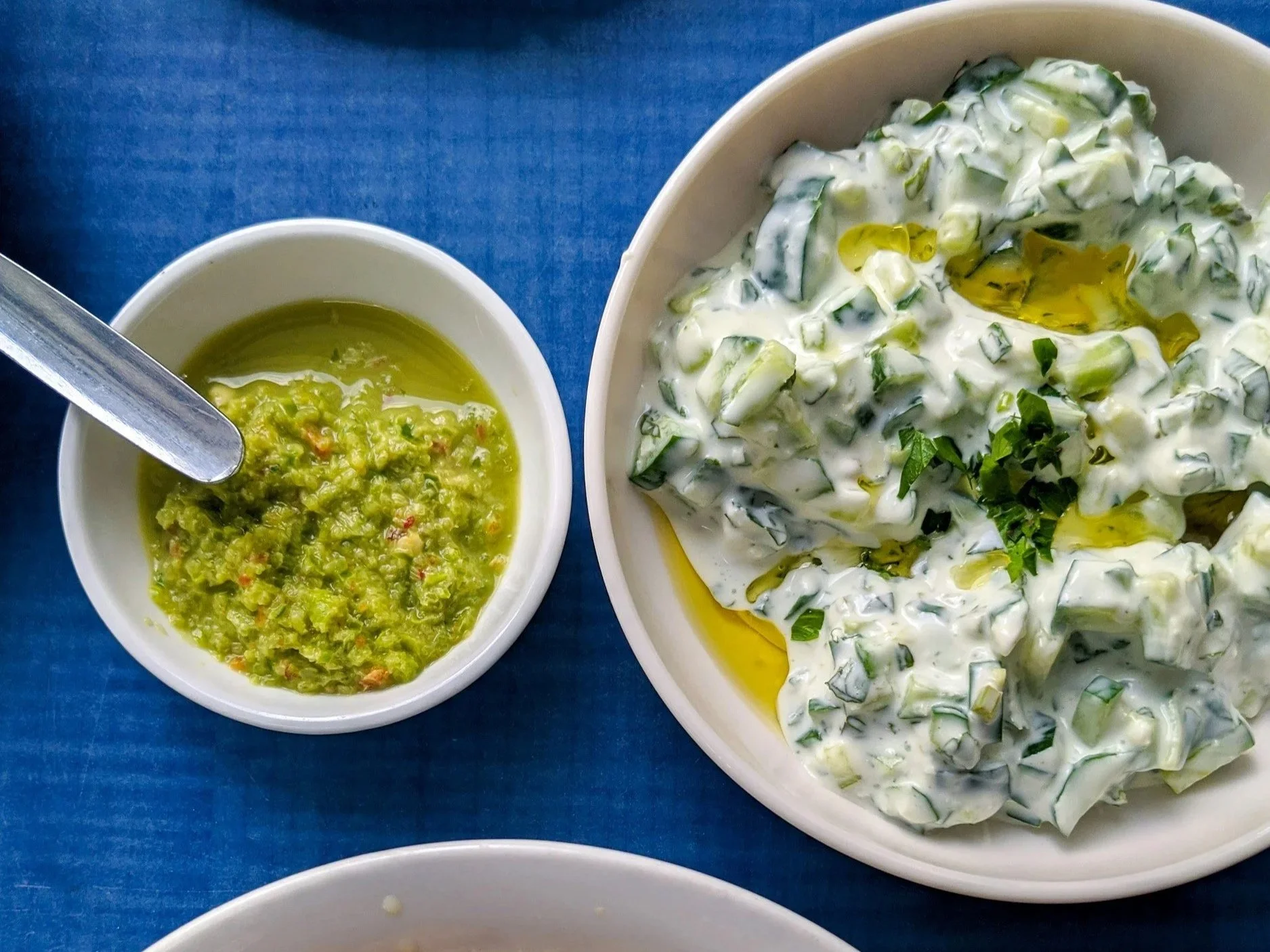
Ingredients
1 cup plain yogurt (dairy or dairy-free)
2–3 tbsp finely chopped fresh dill
Zest of ½ lemon
1 tbsp fresh lemon juice
1 tbsp extra-virgin olive oil
1 small garlic clove, grated (optional)
Pinch of sea salt
Fresh black pepper to taste
Instructions
Stir all ingredients together until smooth.
Adjust lemon and salt to taste.
Let rest 5–10 minutes to allow flavors to develop.
Serve with roasted vegetables, fish, eggs, potatoes, or grain bowls.
Keeps refrigerated for up to 4 days.
References:
[1] Hajhashemi V, et al. “Antispasmodic and gastrointestinal effects of Anethum graveolens.” Journal of Ethnopharmacology.
[2] Koppula S, et al. “Anti-inflammatory and antioxidant activity of dill.” Phytotherapy Research.
[3] Ayseli YI, et al. “Effect of drying on essential oil composition of culinary herbs.” Food Chemistry.
[4] Yazdanparast R, et al. “Hypolipidemic effects of dill in metabolic models.” Clinical Nutrition.
[5] Bahramikia S, et al. “Phenolic compounds of dill and lipid oxidation.” Journal of Medicinal Food.
[6] Hosseinzadeh H, et al. “Neuropharmacological properties of Anethum graveolens.” Pharmaceutical Biology.
[7] Raut JS, et al. “Essential oils and nervous system modulation.” Frontiers in Pharmacology.
